
Adverts
Do you want to find the solution for high blood pressure?
This tea recipe is a complement to high blood pressure treatment. It uses ingredients with vasodilating and diuretic properties. These substances help to reduce blood pressure naturally.
Adverts
Tea is not a substitute for the medications prescribed by your doctor. Always speak with a healthcare professional before trying any home remedy. This is vital if you are already taking medication for blood pressure or have other health problems.
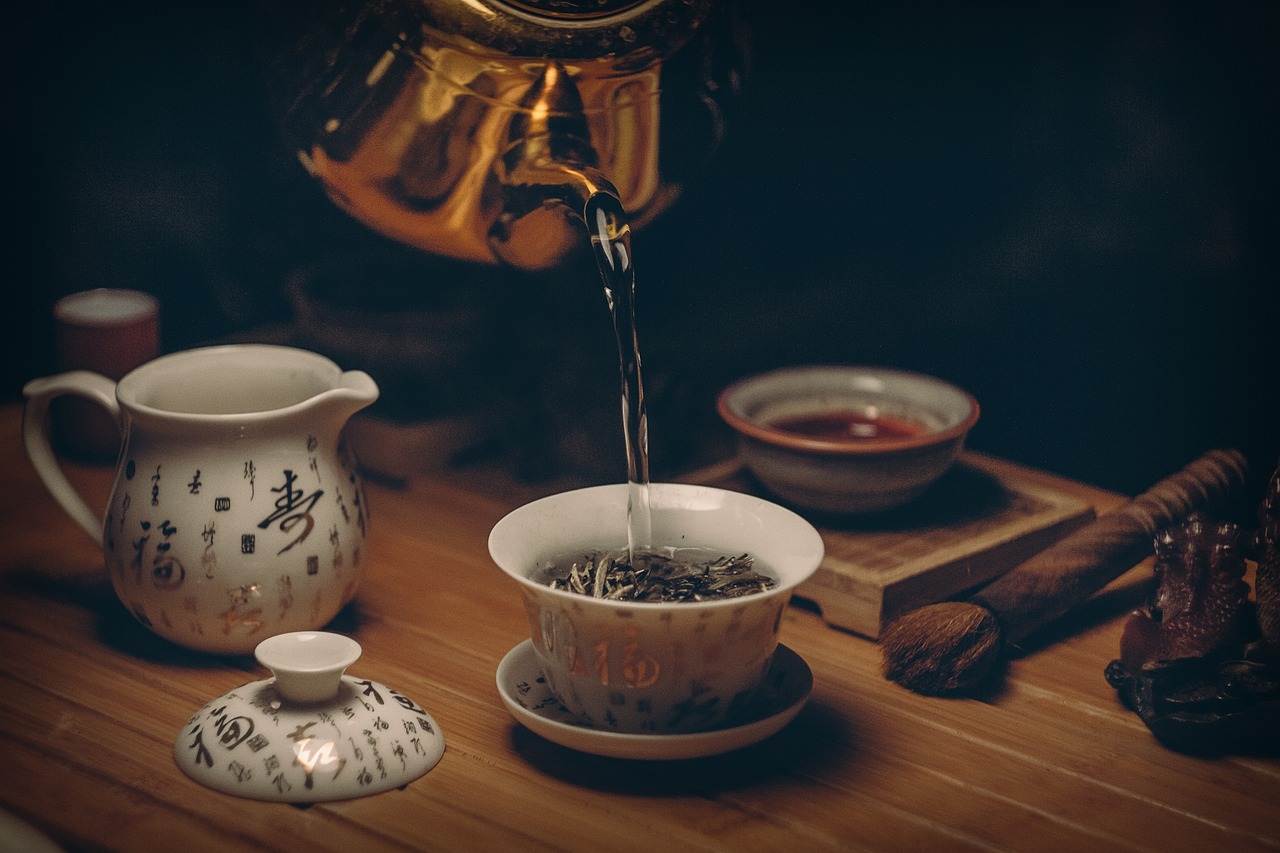
Hibiscus tea
The tea recipe comes with healthy tips. It's important to eat less salt and avoid ultra-processed foods. It's also essential to exercise, sleep well, and cut out alcohol and cigarettes. With the tea and these changes, you have a better chance of controlling your blood pressure.
What is hypertension and why can teas help control blood pressure?
Hypertension is when blood pressure remains consistently high. (Knowing...) What is hypertension? It helps to see signs and risks. Medical follow-up, lifestyle changes, and sometimes teas help.
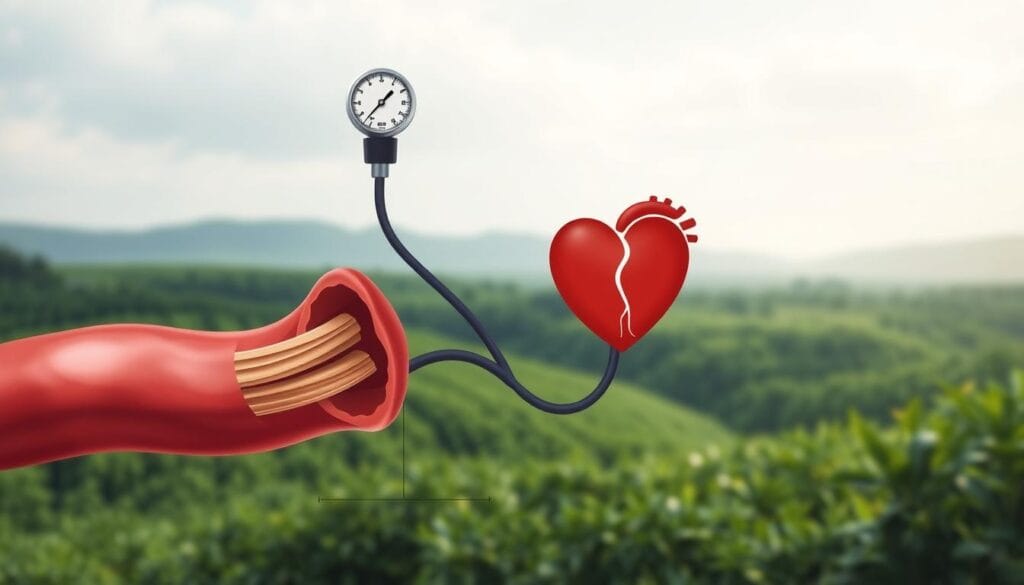
When you have hypertension, your heart works harder. This can lead to damage to the heart and blood vessels, as well as increasing the risk of heart attack and stroke. High blood pressure can also cause kidney problems, poor vision, and sexual problems.
How natural compounds act on blood vessels
Polyphenols and flavonoids in foods and plants are protective. They reduce inflammation and improve blood vessel health, lowering blood pressure.
Anthocyanins in hibiscus help relax blood vessels. Olives and ginger contain substances that protect the arteries, thus improving blood pressure.
Eating foods that produce nitric oxide helps relax blood vessels. This lowers blood pressure. Garlic and oats are good examples.
Diuretic effects of some plants
- Horsetail, hibiscus, and lemongrass help eliminate fluids and sodium.
- This may lower the pressure quickly, but only temporarily.
- If used for a long time, it's necessary to take care of your kidneys and electrolytes.
Limitations of teas: they are a complement to, and not a substitute for, medical treatment.
Teas can help with blood pressure, but there are limits. They may produce modest results. Caution is needed when combining them with medication.
It is vital to check your blood pressure regularly. Informing your doctor about any teas or supplements you take is crucial to avoid problems such as dangerously low blood pressure.
Tea Recipe for High Blood Pressure
This simple recipe combines herbs with beneficial effects for your blood pressure. You'll find tips on ingredients, preparation methods, dosages, and safe variations. Everything is designed for those looking for a tea to control high blood pressure.
Ideal ingredients for a balanced recipe.
Choose diuretic and vasoprotective herbs. Use hibiscus (1–2 g per cup) or horsetail (1 tablespoon per cup) for this. Add olive leaves or blueberry/pomegranate juice as antioxidants. Ginger or turmeric add flavor and anti-inflammatory properties.
For hydration and enhanced effects, include garlic and lemon. Garlic water (1 clove per 100 ml) and coconut water are great additions. They help replenish electrolytes.
Step-by-step preparation instructions
- Boil between 250 and 500 ml of water.
- Turn off the heat. Add hibiscus or horsetail, plus ginger or turmeric.
- Let it rest covered for 5 to 10 minutes.
- Strain. Consume warm or cold. You can add lemon and coconut water.
Recommended dose and frequency based on evidence and safety.
For hibiscus, drink 1–2 cups per day. Allow 8 hours between doses. Do not exceed 6g/day for safety. Use horsetail in doses of up to 2 cups daily, for a maximum of one week. This prevents mineral loss.
Olive leaf tea can be consumed up to 200 ml per day. The extract, however, should only be used under medical supervision. Ginger and turmeric are safe in up to 3 cups daily. Avoid if you are taking anticoagulants. Garlic water can be drunk throughout the day or on an empty stomach.
Adjust doses carefully and follow medical advice. Observing how your body reacts is essential.
Possible variations
- Mix hibiscus with ginger for a pleasant flavor and multiple benefits.
- Hibiscus and olive together increase antioxidant power.
- Turmeric and ginger with lemon bring citrus flavor and antioxidants.
- Use coconut water to improve hydration.
Do not combine too many diuretic herbs without medical supervision. It is important to follow dosage guidelines and consult your doctor regularly.
Hibiscus tea: preparation, benefits and precautions
Hibiscus has become popular for its unique qualities. It combines a pleasant taste with health benefits. Its action on blood vessels may help control blood pressure.
Main properties
The hibiscus calyx is full of beneficial substances, such as anthocyanins. These fight inflammation and protect our cells. Studies show that this helps relax veins and lower blood pressure.
In addition, tea has a mild diuretic effect. This means it helps eliminate fluids, contributing to lowering blood pressure. Its overall effect on health is the subject of research.
How to prepare and safe dosage
To make the tea, use 1 to 2 grams of dried hibiscus calyxes per cup. This is equivalent to about one tablespoon for every 400–500 ml of water. Boil the water, add the hibiscus, and let it steep for 5 to 10 minutes. Remember to strain before drinking.
- Drinking 1–2 cups daily is recommended.
- Allow an 8-hour interval between each dose.
- Do not exceed 6g of dried flowers per day.
It is important to follow these recommendations to safely enjoy the benefits. Consuming more than suggested increases the risk of unwanted side effects.
Who should avoid or consult a doctor about
People who take medication for high blood pressure or diabetes should talk to their doctor. Hibiscus may influence the effectiveness of these medications and blood glucose levels.
Pregnant women, breastfeeding mothers, children under 12, and those with liver or kidney problems should also be careful. They need to speak with a professional before using hibiscus.
- Signs that you've overdone it include low blood pressure and, in rare cases, liver problems.
- Interactions with medications for blood pressure, diuretics, and diabetes may occur.
Following dosage guidelines and discussing potential contraindications with a doctor is essential. This way, you can use hibiscus tea safely and effectively.
Olive leaf tea: vasodilatory effects and clinical use.
Olive leaf tea is being studied for its benefits to circulation. Its leaves contain compounds that help the function of blood vessels. They may even help lower blood pressure in mild cases.
Active compounds and mechanisms
A oleuropein It is a key polyphenol that helps dilate blood vessels. Along with other polyphenols, it acts as an antioxidant and improves circulation.
These compounds reduce inflammation and improve blood vessel health. They also have a mild diuretic effect, which can lower blood pressure.
Preparation methods and commercial forms
To make the tea, use 1 dessert spoon of leaves per 100–200 ml of water. Let it steep for 5–10 minutes. Drink up to 200 ml per day, for a maximum of four weeks, following the instructions.
Olive leaf extract is also available in capsules and liquids. Generally, 500 mg is taken twice daily, after meals. The extract is convenient and standardized.
- Advantages of tea: simple preparation and lower concentration.
- Advantage of the extract: standardized dosage for clinical studies.
- Disadvantage of the extract: greater potential for interaction due to concentration.
Interactions and contraindications
There are contraindications for the use of olive leaf tea. It is not recommended during pregnancy, breastfeeding, or for individuals under 18 years of age without medical supervision.
Anyone using diuretics or who has kidney or liver problems should speak to a doctor first. It can affect electrolytes and interact with medications.
- Monitor your blood pressure and kidney function if using for an extended period.
- Do not mix with other diuretics without speaking to a doctor.
- If you experience dizziness or changes in your urine, seek medical advice.
Ginger and turmeric tea: anti-inflammatory and vasodilating action.
Ginger and turmeric have properties that relax arteries and reduce inflammation. Research indicates that the gingerol substance in ginger helps dilate blood vessels. Curcumin, found in turmeric, is great for the heart and improves blood circulation. Together, ginger and turmeric teas are excellent for those who want to take care of their health naturally.
Gingerol and curcumin: how they help relax arteries.
Gingerol has an anti-inflammatory role and protects against cell damage. It also helps to reduce tension in blood vessels, facilitating blood circulation.
Curcumin, on the other hand, improves the health of blood vessels. It causes the body to produce more of a substance that helps relax the arteries. This helps control blood pressure.
Recipe for safe preparation and useful combinations.
To make ginger tea, use 2–3 cm of fresh ginger in 200 ml of water. Boil for approximately 10 minutes, strain, and you can drink 2 to 3 cups a day.
Turmeric tea is made by dissolving 1 teaspoon of turmeric powder in 150–200 ml of hot water. After steeping for 10–15 minutes, drink up to 2–3 cups daily. This is safe for most people.
- Useful combinations: ginger + hibiscus offer benefits such as vasodilation and diuretic action.
- Another option is turmeric + lemon, which helps with the absorption of curcumin and makes the tea tastier.
Be aware of potential interactions with anticoagulants and medications for hypertension.
Ginger and turmeric can increase the risk of bleeding if you are using medications such as warfarin. It is important to watch for any signs of bleeding.
These plants can intensify the effect of high blood pressure medication. Therefore, it is important to measure your blood pressure frequently and talk to your cardiologist. Turmeric is not recommended if you have biliary obstruction problems. Pregnant and breastfeeding women should consult a doctor before using it.
Horsetail and lemongrass tea: natural diuretics to reduce blood volume.
Diuretic plants like horsetail and lemongrass can decrease blood volume. This helps lower blood pressure. Let's see how they work, how to prepare them, and what precautions to take.
Mechanism and impact
Horsetail reduces water and sodium in the body, lowering pressure on the heart. This effect helps control blood pressure. Therefore, horsetail tea is sought after for this purpose.
Lemongrass also helps eliminate fluids, but in a mild way. It contains citral, limonene, and geraniol, which relax the arteries and are antioxidants. The tea can be beneficial if used correctly.
How to prepare and usage limits
- Horsetail: Place 1 tablespoon of dried stems in 250 ml of hot water. Let it steep for 5 to 10 minutes. Drink up to 2 cups a day for a maximum of 7 days.
- Lemongrass: Place 1 tablespoon of fresh leaves in a cup of hot water. Let it steep for 5 minutes. You can drink up to 4 cups a day, if well tolerated.
Risks, mineral loss, and vulnerable groups.
Continuous use of horsetail can cause loss of minerals and vitamins. This includes the risk of thiamine deficiency. Therefore, it is not safe to use it without breaks.
These herbs can alter the body's electrolytes and affect other diuretic medications. People with kidney problems, low blood pressure, pregnant women, breastfeeding women, and children should avoid them or speak with a doctor first.
Contraindications and monitoring
- Do not use horsetail if you are pregnant, breastfeeding, are a child under 12 years old, have heart or kidney problems, or low blood pressure.
- Be aware of the contraindications of lemongrass during pregnancy, lactation, and for those with heart, kidney, or liver disease without medical advice.
- If you are taking other diuretics, have your kidney function and electrolyte levels checked by a cardiologist or nephrologist.
Garlic, chamomile, and valerian tea: calming and circulatory.
This blend includes herbs that act on blood vessels and nerves. Garlic contains substances that help the arteries. Chamomile and valerian herbs reduce nervousness and help combat stress.
Allicin, found in garlic, is good for the heart, especially if the garlic is used raw or lightly cooked. It acts as an antioxidant and improves blood circulation. To use, crush a clove of garlic in 100 ml of water, let it soak for 6 to 8 hours, and drink it on an empty stomach.
It is also possible to make 1 liter of this garlic water and drink it throughout the day. However, people with stomach problems, low blood pressure, or who use certain medications should avoid it or consult a doctor first.
Chamomile and its calming effect.
Chamomile has a relaxing component that can help improve blood pressure. To make the tea, place 0.5 to 4 g of chamomile in 150 ml of hot water. Let it steep for 4 to 5 minutes. You can drink up to four cups a day.
Those who use sedatives or blood thinners should consult their doctor before drinking chamomile tea. Excessive use can cause drowsiness or interfere with other medications. Some patients report that chamomile helps control high blood pressure caused by anxiety.
Valerian and anxiety control
Valerian helps to relax and reduce muscle tension, which is good for the heart. Use about 5g of the root to make the tea. Do not take more than 1 or 2 times a day, preferably at night.
If you need to drive or operate machinery, avoid valerian because of the drowsiness it causes. People taking certain medications should speak to their doctor first. Valerian may help with blood pressure and anxiety if used correctly.
Practical recommendations and side effects
- Mix the herbs carefully and make fresh teas at home.
- Watch out for signs such as a drop in blood pressure, stomach pain, or bleeding.
- Avoid combining with strong sleeping pills and do not use before driving.
- Talk to your doctor if you are already taking medication for blood pressure or blood disorders.
Using these plants can help control blood pressure, but always with caution and under the guidance of a doctor. The combination of the action of garlic, chamomile, and valerian offers an interesting natural alternative for those seeking these options.
Other liquid recipes and juices that can help control blood pressure.
Natural drinks can help control blood pressure if used correctly. You should follow a doctor's advice. See simple recipes and their benefits according to nutrition studies. Remember to adjust them to your needs.
Lemon juice with coconut water
- Simple recipe: juice of 3 lemons and 200 ml of coconut water. Drink once a day.
- This juice has benefits such as hydration and diuretic action. It helps eliminate sodium from the body.
- It's better without sugar. If your doctor has recommended avoiding liquids, don't drink this juice.
Blueberry juice, pomegranate juice, and celery juice
- For blueberry juice: blend 1 cup of blueberries, water, and lemon juice. Drink up to twice a day. This juice may improve blood vessel health.
- Pomegranate juice: 1 pomegranate and 1 cup of water. Drinking it without sugar helps relax the blood vessels.
- Celery: Mix 3 celery stalks with the juice of 3 oranges. Drink and enjoy the vasodilating and diuretic effects.
Banana and avocado smoothie with oat water.
- Smoothie: Mix 1 cup of yogurt, 1 banana, and ½ avocado. Drink. This combination is great for sodium excretion and vascular health.
- Oat water: 2 tablespoons of oat bran in 1 liter of water. Drink on an empty stomach or before meals. May improve vascular health.
General indications
- These drinks are great with a balanced, low-sodium diet.
- Keep an eye on your calorie intake and avoid sugar. Those with diabetes or metabolic syndrome should take extra care.
- If you take medication for blood pressure, blood clotting, or have kidney problems, talk to your doctor before trying these recipes.
Safety: drug interactions, contraindications, and medical recommendations.
Teas are great, but they require caution, especially for those with hypertension or who take medication. It's crucial to talk to a professional before starting to drink tea regularly. This way, you avoid problems and ensure that the correct treatment is followed.
Why consult a cardiologist before starting regular tea drinking?
It's very important to see a cardiologist before regularly drinking tea. The doctor will check your health and the medications you're already taking. Sometimes, it may be necessary to adjust the dosage or monitor you more closely to avoid problems such as low blood pressure or changes in the body's electrolytes.
Known interactions with antihypertensives, anticoagulants, and diuretics.
- Antihypertensives: hibiscus, ginger, turmeric, and olive leaf together can lower blood pressure even further. Therefore, it's good to measure your blood pressure regularly.
- Anticoagulants/antiplatelet drugs: garlic, ginger, and turmeric increase the risk of bleeding. Therefore, it's best to talk to your doctor before starting to use them regularly.
- Diuretics: horsetail, hibiscus, and lemongrass can increase the diuretic effect and alter potassium and creatinine levels, requiring extra caution from those already using synthetic diuretics.
- Antidiabetic products: Hibiscus may affect blood glucose levels. Those with diabetes should monitor their levels and report everything to their doctor.
Groups that need special care
- Pregnant and breastfeeding women: some plants are not recommended or require careful evaluation, such as olive trees, horsetail, and high doses of turmeric.
- Children: They should avoid frequent infusions, as their safety is not well established for minors.
- Kidney and heart failure: there is a higher risk of electrolyte problems and kidney overload with natural diuretics.
- People with ulcers, gastritis, or gallbladder problems: it's best not to overdo it with raw garlic or turmeric without talking to a doctor.
To avoid problems, write down all the teas and supplements you take and show them to your doctor. Check your blood pressure frequently. If you experience dizziness, weakness, fainting, vomiting, changes in urination, or bleeding, stop taking them and seek medical help.
Nutritionists can also offer advice on how to safely include teas in your diet. Following professional advice helps avoid problems with teas for those with hypertension and helps recognize when a tea might interact with their medications.
Conclusion
Teas made from hibiscus, ginger, chamomile, and others, along with natural juices, can help control blood pressure. They work through diuretic, vasodilating, and calming effects. These drinks are natural options to aid in daily health care.
It's important to use these drinks responsibly. They should be part of a healthy lifestyle, with good nutrition and exercise. Always keep up with your prescribed medications and carefully test any new recipes you choose.
Monitoring your blood pressure and speaking with a specialist before making major changes is crucial. Teas and juices are good, but they don't replace medical supervision. The best strategy is to combine these natural tips with support from healthcare professionals.
FAQ
What is high blood pressure and what are its risks?
High blood pressure means that the pressure in the arteries is too high. This causes them to become narrow and stiff. It can cause serious problems such as heart attack and stroke.
How can teas and natural drinks help control blood pressure?
Certain teas contain substances like polyphenols that help relax blood vessels. Drinks like hibiscus and horsetail can lower blood pressure. But they should be used in conjunction with medical treatments.
Can teas replace medication for hypertension?
No. Teas can help, but they cannot replace medication for high blood pressure. Never change your treatment without talking to a doctor.
What is a safe basic tea recipe to help with blood pressure?
Make a tea by blending hibiscus, horsetail, or ginger in hot water. Then, strain it. You can add lemon and coconut water for flavor and hydration.
What is the recommended dose and frequency for hibiscus and horsetail?
For hibiscus, drink 1-2 cups per day. For horsetail, do not exceed 2 cups and use for a maximum of 7 days. This prevents mineral loss.
What are the main precautions to take when using hibiscus tea?
If you take medication for blood pressure or diabetes, talk to your doctor before using hibiscus. Pregnant women, breastfeeding women, and people with certain medical conditions also need medical advice.
How does olive leaf work for blood pressure and how is it used?
Olive leaf can help relax blood vessels. Use it by making a tea or taking an extract as directed.
What are the interactions and contraindications of the olive tree?
Do not use olive oil if you are pregnant or breastfeeding without consulting a doctor. People with kidney disease or using diuretics should also exercise caution.
Are ginger and turmeric safe for increasing vasodilation?
Yes, ginger and turmeric help open blood vessels. But be careful if you use anticoagulant medication.
What are the risks of mixing teas with a diuretic effect and diuretic medications?
Mixing them can lead to water and mineral loss, lower blood pressure too much, and damage the kidneys. Talk to a doctor first.
How do you prepare lemongrass and what are its limitations?
Make a tea with lemongrass. Drink up to 4 cups a day, if you tolerate it. But avoid it if you are pregnant or have kidney or heart disease.
Is garlic water effective, and how can it be made safely?
Garlic helps relax blood vessels. To make garlic water, leave garlic in water and drink it. But be careful if you have gastritis or use anticoagulants.
Do chamomile and valerian help with blood pressure?
Yes, they can indirectly help by reducing stress. But be aware of the sedative effects and the possibility of interactions with other medications.
Which juices and drinks help control blood pressure?
Drinks with lemon, blueberry, pomegranate, and celery are good. Banana and avocado smoothies also help because of their potassium content.
Which groups need special care when consuming these teas and beverages?
Pregnant women, breastfeeding women, children, and people with certain illnesses or undergoing treatment for blood pressure should speak with a doctor before use.
How to monitor side effects and when to seek medical attention?
Monitor your blood pressure regularly. See a doctor if you experience dizziness, weakness, or other concerning symptoms. And inform them about any teas or supplements you are taking.
Can I combine several herbs in the same preparation?
Yes, but start with a few ingredients and see how you feel. Avoid taking too many diuretic herbs together without medical advice.
Where is the evidence to support these recommendations?
The tips come from studies and medical guidelines on various herbs and foods that can help control blood pressure.
Content created with Artificial Intelligence Assistance