How to win free products from Shein using the Free Trial (No mystery and no headache)
Announcements
What's your gender?
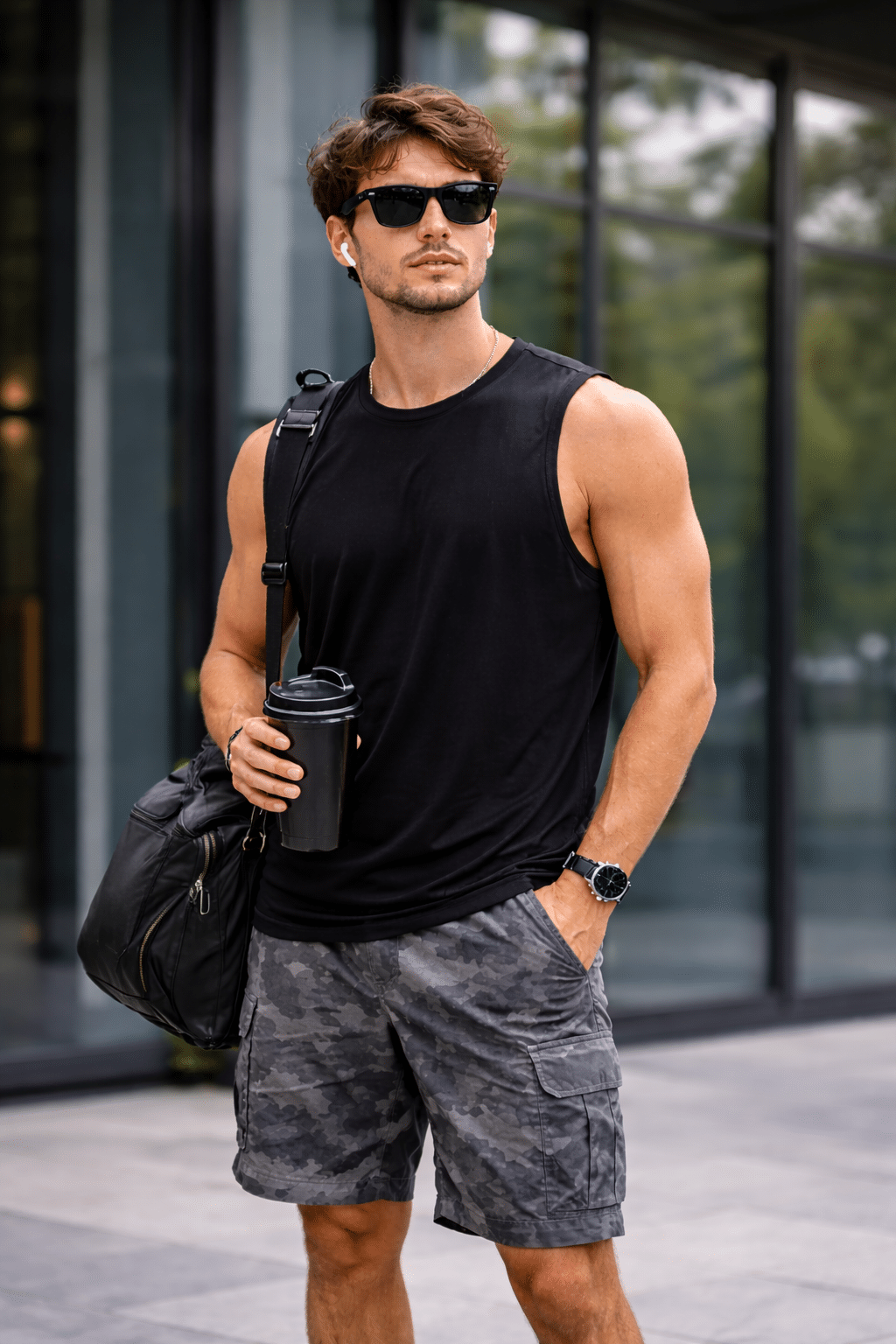
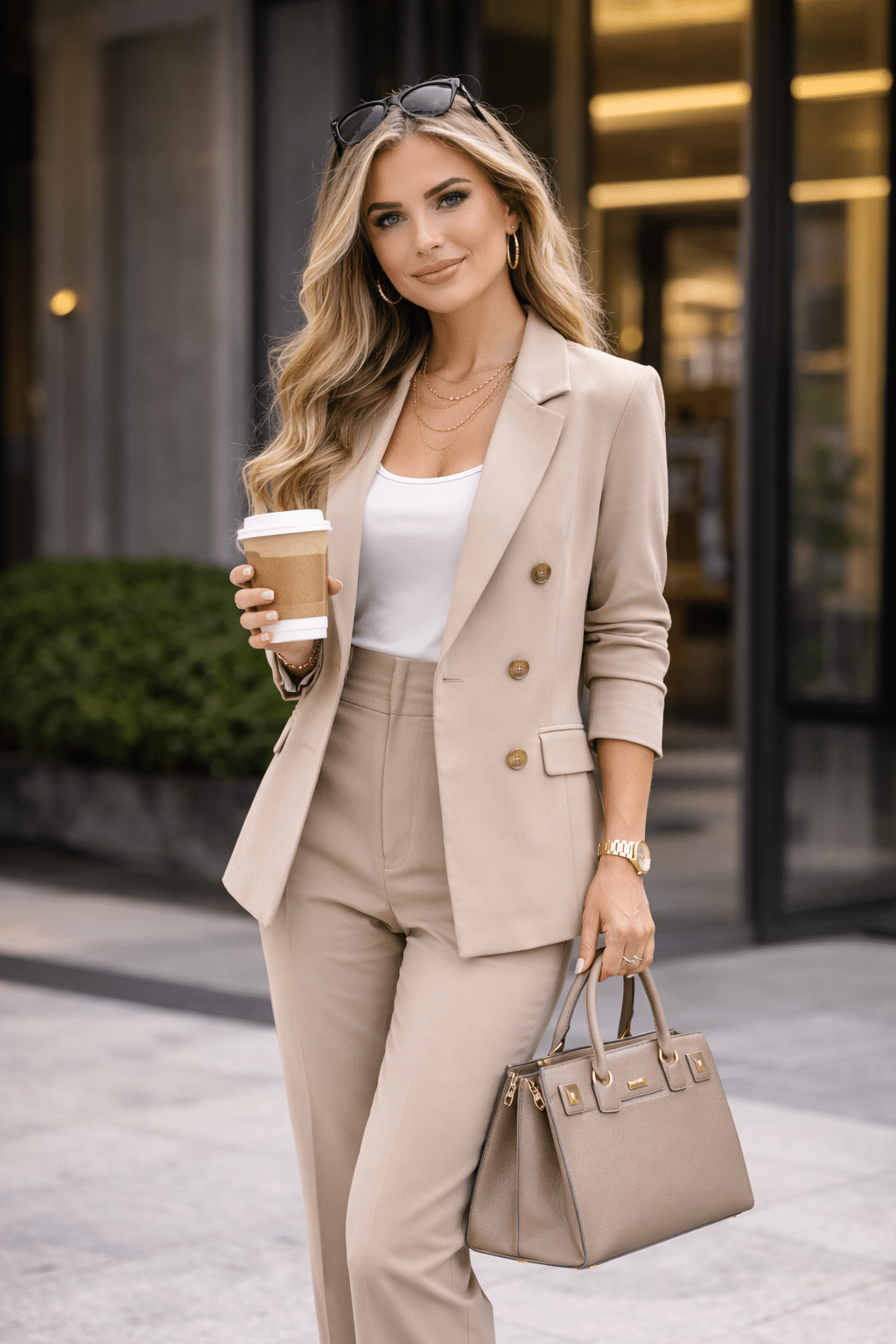
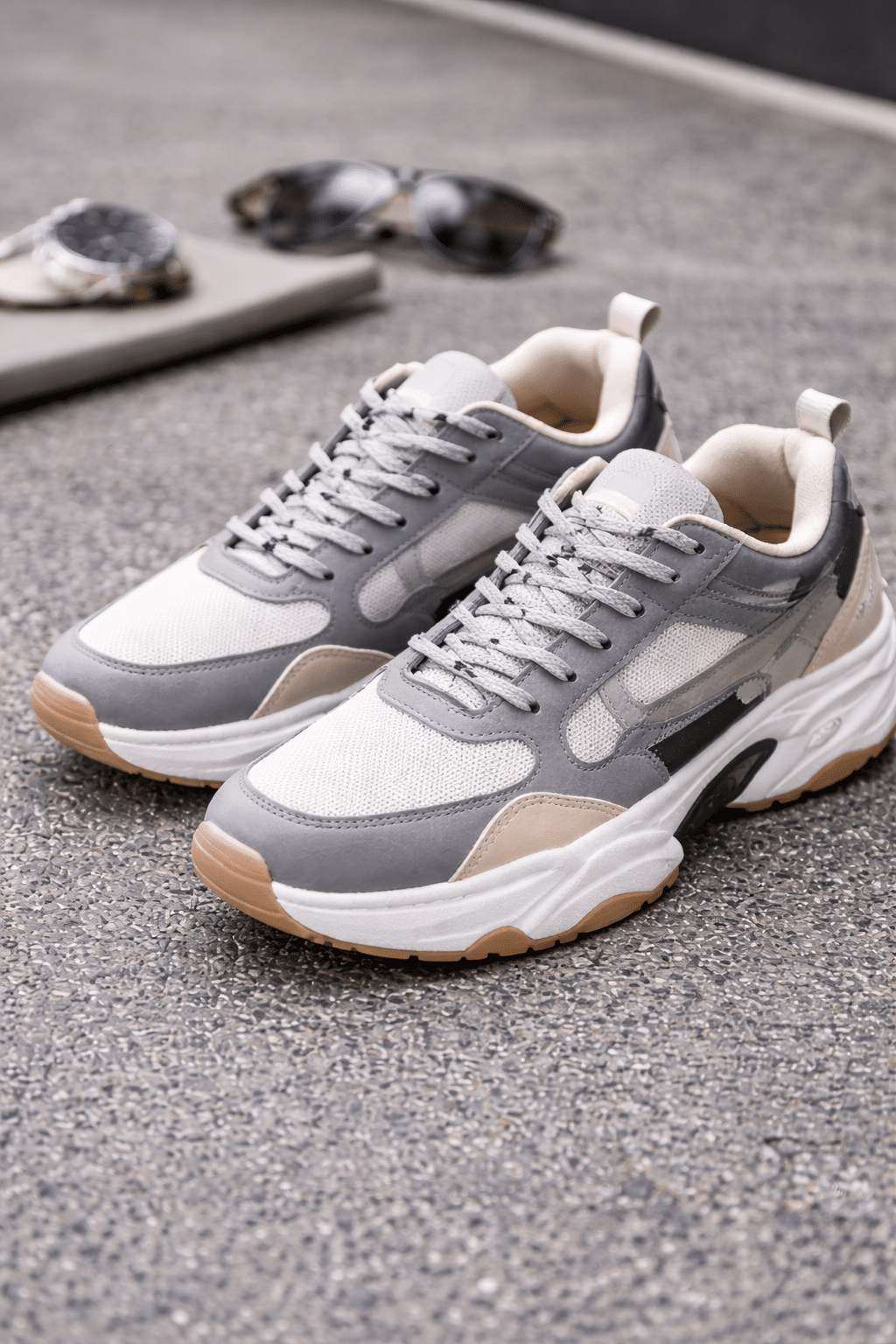
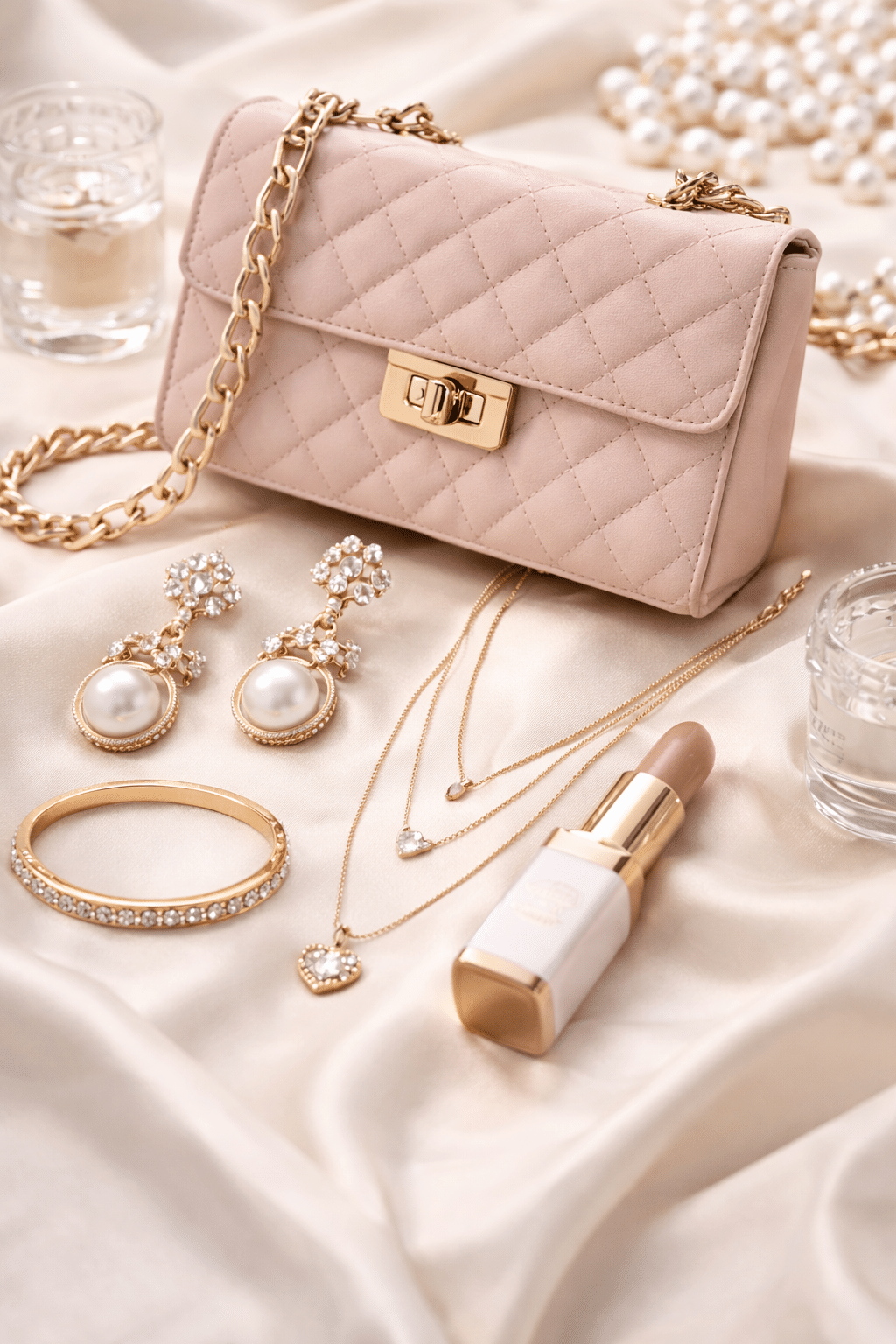
Would you like to sign up for free products from Shein?

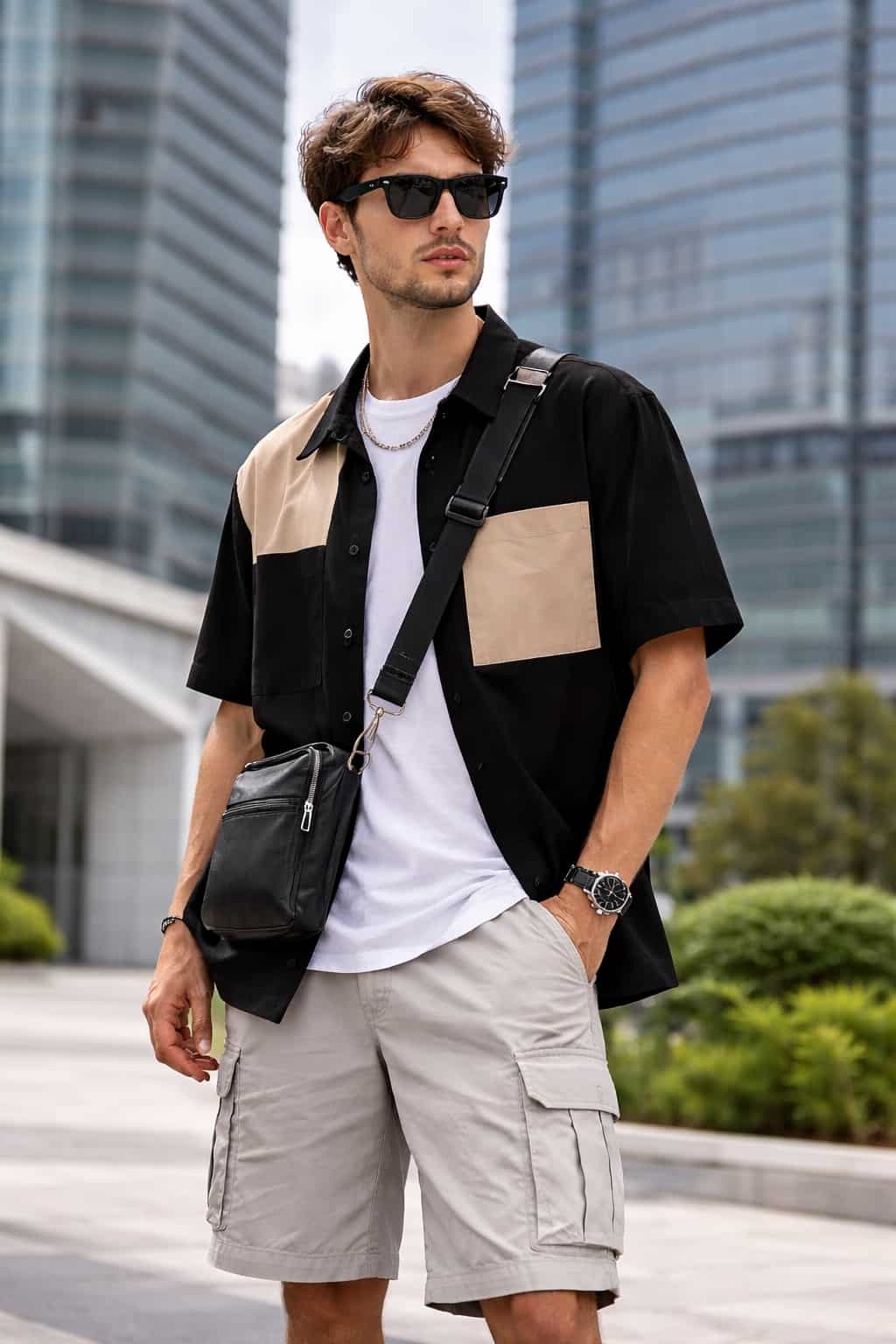
Getting free merchandise seems like a “too good to be true” video thing, right? But there is a real way — and common good — to receive items without paying for them: Free Trial. The idea is simple: you apply to test products, get the item if selected(the) And then share a review with photos and helpful details. That’s it: you turn time and whim into new clothes, shoes and accessories in your wardrobe.
In this article, I’m going to show you How to greatly increase your chances of being chosen(the) in the Free Trial, what kind of product usually appears (including: Women’s or girls’ trousers, bib and brace overalls, breeches and shorts) and how to put together evaluations that really count points — All this in a practical way, without enrolment and without reference to any country.
What the Free Trial Is and Why It Works
THE Free Trial It’s a test program: the platform releases some specific items for selected people to receive and evaluate. In return, you deliver value to other buyers: real photos, comments about size, fabric, finish, comfort, transparency, durability, comparison with the ad and so on.
And this is where the cat jump comes in: It ‘s not pure luck. There’s a clear pattern of behavior that increases your chances. Those who participate well become a ‘trusted profile’ that delivers complete assessments, and this tends to be favoured over time.
Think of it this way: the platform wants to reduce returns and frustrations. A good evaluation prevents someone from buying a “P” thinking it’s an “M”, or a fabric thinking that it is something else. So when you prove that it really helps, you become a candidate(the) much stronger.
What products can you win in the Free Trial
The Free Trial may include various types of items. And the cool thing is that you can build up almost an entire wardrobe over time, because there are so many different categories. Here are the most common and how to take advantage of them:
1) Women’s or girls’ garments
- Clothes (Casual, party and basic)
- Other, of circular cross-section (tops + Men’s or boys’ underpants, briefs and panties)
- T-shirts, singlets and other vests
- Shorts and skirts
- Pants and trousers (Jeans, trousers and leggings)
- Beach fashion and fitness
Practical advice: Women’s clothing tend to have a lot of variation in pattern. This is great for evaluation, because you can comment on waist, bust, height, elasticity and drop — And that counts points.
2) Men’s clothing
- T-shirts (basic, oversized, stamped)
- Blankets and travelling rugs (casual, social and short-sleeved)
- Bermuda shorts and trousers (position, player)
- Jackets, blazers and coats
- Street, sports and basic goods
Practical advice: Many people have doubts about “small or large cut” in men’s clothing. If you do an evaluation with measurements and comparison to other brands, your review becomes super valuable.
3) Footwear
- Casual and sports shoes
- Sandals and travelling rugs
- Jumps and platforms
- Boots and shoes
- Social moccasins and shoes
Practical advice: A good shoe to evaluate is one that you can comment on heel, sole, weight, comfort, shape (tight or wide), finishing and adherence.
4) Women’s or girls’ clothing accessories
- Sacks and bags
- Manufacture from materials of any heading, except that of the product
- Glasses
- Belts and briefcases
- Wadding, felt and nonwovens
- Hair and beauty products (depending on the programme rules)
Practical advice: accessories yield beautiful photos and quick reviews, so they’re great for building history and reputation.
5) Women’s or girls’ suits and ensembles
- Handbags, belts and the like
- Watches and bracelets
- Caps and hats
- Handbags and the like
- Glasses
- T-shirts, singlets and other vests
Practical advice: For men’s accessories, reviews focusing on material, actual size, compartments, seam and strength are usually the most useful.
How to find the Free Trial area and apply in the right way
The path may vary as app updates/The concept is always the same: there’s a Free Trial / Free trial, with items available for application.
When you open an eligible product, you’ll see something like:
- Rules of the test
- Number of posts
- Period for evaluation
- Requirements (Sometimes they ask for specific photos)
Then you apply — And then comes the part that most people don’t know: Applying isn’t just about pushing a button. This is where you begin to “play the game” in your favor.
Which increases your chances of being selected(the): the checklist of approved profiles
If you want to get out of “trying your luck” and into “strong profile”, here’s a pretty straightforward checklist:
✅ 1) Full and consistent profile
- This is a profile picture (It doesn’t have to be perfect; just feel real)
- Basic information completed
- Aligned style preferences (when there is such an option)
Profiles that look abandoned are less trustworthy. The idea is to look like someone who’s actually gonna test and evaluate.
✅ 2) Purchase history and/or engagement (whenever possible)
It’s not mandatory, but it helps. Common interactions that count in your favor:
- Evaluate previous purchases (even cheap items)
- Add photos to reviews
- Marking size and measurements
- Be consistent: evaluate frequently and whimsically
If you don’t have a history yet, no crisis: it can be built gradually with affordable items prioritizing complete assessments.
✅ 3) Reviews with photo: the “superpower” of Free Trial
If you want to be chosen(the), Treat photo as a priority. Real photos build trust and help other buyers. And for the platform, that’s gold.
Photo ideas that greatly improve the quality:
- Photo with good natural light
- Close of fabric and seam
- Photo using the piece (When it makes sense)
- Comparison with an object to show actual size (Of a kind used in motor vehicles)
✅ 4) Measurement and social proof: the detail that few people do
You know what makes for an infinitely better review? Reporting to:
- Height
- Weight (if you feel comfortable; it’s not mandatory)
- Main measures (chest, waist and hips)
- Purchased size
- How ‘d it go (fair/loose/perfect)
- If the fabric stretches
That helps a lot — and increases your chances of being seen(the) as a ‘useful evaluator’.
✅ 5) Choosing strategic products at the beginning
If you’re just starting out, choose items that are easier to evaluate and photograph:
- Manufacture from materials of any heading (Handbags, glasses and jewellery)
- Basic T-shirts and blouses
- Items with less size risk (Other, of a thickness.: Of a kind used in motor vehicles)
Once you have a track record, it’s worth moving on to clothing with more complex modeling (dresses, trousers and breeches) and shoes.
How to Choose the Right Product for a Free Trial (the real strategy)
Not every item is worth trying. A good candidate for free trial has:
1) Good chance you’ll actually use
If you never use a jump, there’s no point in trying an ultra-high jump. You will misjudge or not use, and that damages your record.
2) Detailed description + Nice pictures in the ad
This makes it easier to compare ‘promise vs reality’. And comparative evaluations are usually more useful.
3) Size and material you understand
If you already know that you prefer cotton or thicker fabrics, choose items that match your taste. You avoid frustration and give a more confident assessment.
4) Items that make good photos
Photogenic products have great potential for incredible review. Think about it
- Jackets and blazers
- Other, of circular cross-section
- Structured grants
- Shoes with details
- Stylish accessories
How to Make a Perfect Appraisal (♪ and turn into a sweetheart(the) ⁇ of the Free Trial)
Here’s a simple model that works for just about any product:
🧾 Structure of the evaluation (copy and use)
- The first impression: Did it come well packaged? Did it come without a strong smell?
- Material and quality: Manufacture in which all the materials used are classified within a heading other than that of the product
- Height and drop: Was it as expected? Tight where? Left over where?
- Comfort: Can you wear it for hours? What about pineapple? Does it weigh?
- Fidelity to the advertisement: Is it the same color? Is it the same model?
- Positive and negative points: be honest(the), but objective(the)
- The final recommendation: Would you buy it again? Is it worth the full price?
For clothing: what to say
- Transparency (Branded or unbranded)
- Elasticity
- Actual length (mainly dresses and shorts)
- Easy to knead
- If it marks the body (where relevant)
- Cladding (has or does not have)
For shoes: what to say
- Shape (small, standard or large)
- Heel and finger comfort
- Type of palm
- Slippery or not
- External and internal material
- Finishing (Apparent glue, sewing)
For accessories: what to say
- Weight (I was very heavy, uncomfortable)
- Closed (firm or fragile)
- Materials (It looks sturdy?)
- Actual size compared to advertisement
- Seam and zipper (in bags)
- Compartments and usability (Wallets, backpacks and wallets)
The golden tip: Overly “perfect” ratings can sound fake. Be fair(the): praise what is deserved and point out improvements with politeness.
Mistakes That Reduce Your Chances (and how to avoid)
❌ 1) Very short evaluation
“I like it, beautiful” doesn’t help anyone. Two lines give the feeling that you haven’t really tested.
❌ 2) Do not send photo
Without a photo, your review loses much of its value. Even if you don’t want to show up, you can still photograph the item on your hanger in bed on a neutral surface.
❌ 3) Ignoring the deadline
Free Trial usually has a deadline for evaluation. Missing a deadline can take your rankings down.
❌ 4) Choose sizes in the dark
Always check the size chart and compare it with clothes you already have. If in doubt, prefer less risky items at first.
❌ 5) If you apply to everything without criteria
Better to make a few well-thought-out attempts than applying for 30 items you wouldn’t even use.
Practical routine to earn more free items (a simple plan)
If you want consistency, do this:
Week 1: building a foundation
- Rate 2 to 4 items that you have already purchased (with photos and details)
- Please update your profile
- Save sizes and measurements for quick reference
Week two: strategic attempts
- Apply for easy items (Articles of apparel and clothing accessories)
- Choose pieces that match your actual style
Week 3: raise the level
- Start trying out some of the more sought-after clothes (Other garments, knitted or crocheted)
- Do even more thorough evaluations, with better comparison and photos
Week 4: consistency
- Repeat the cycle
- Adjust your focus to the categories in which you rate best (Footwear, handbags, clothing and the like.)
Ideas for combinations to make better use of free items
When you win an item, you can maximize the use (and also the content of the evaluation) creating looks:
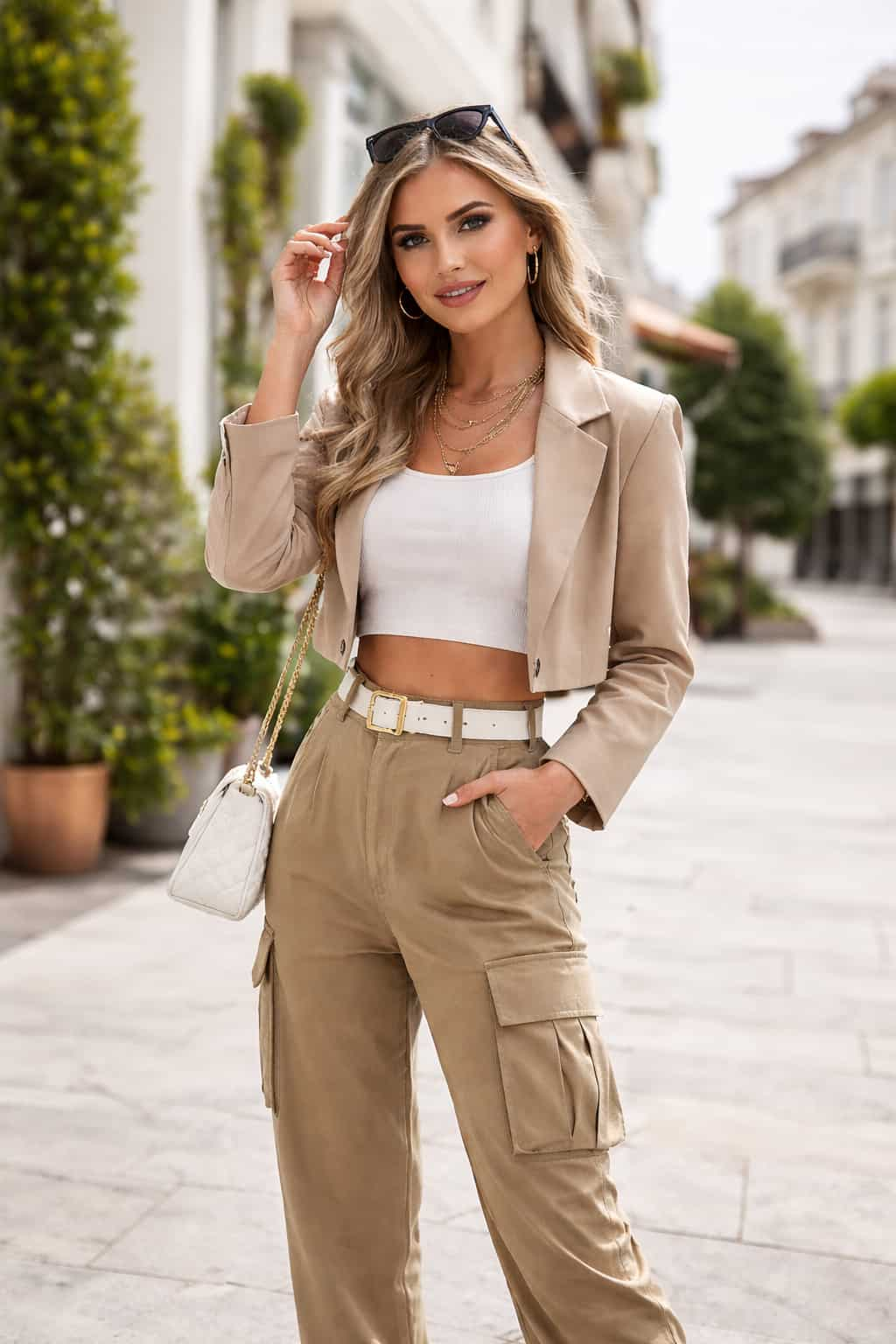
Female looks
- Dressed + structured bag + Earrings + footwear
- Combined + glasses + casual tennis
- Cargo shorts + cropped + belt + the backpack
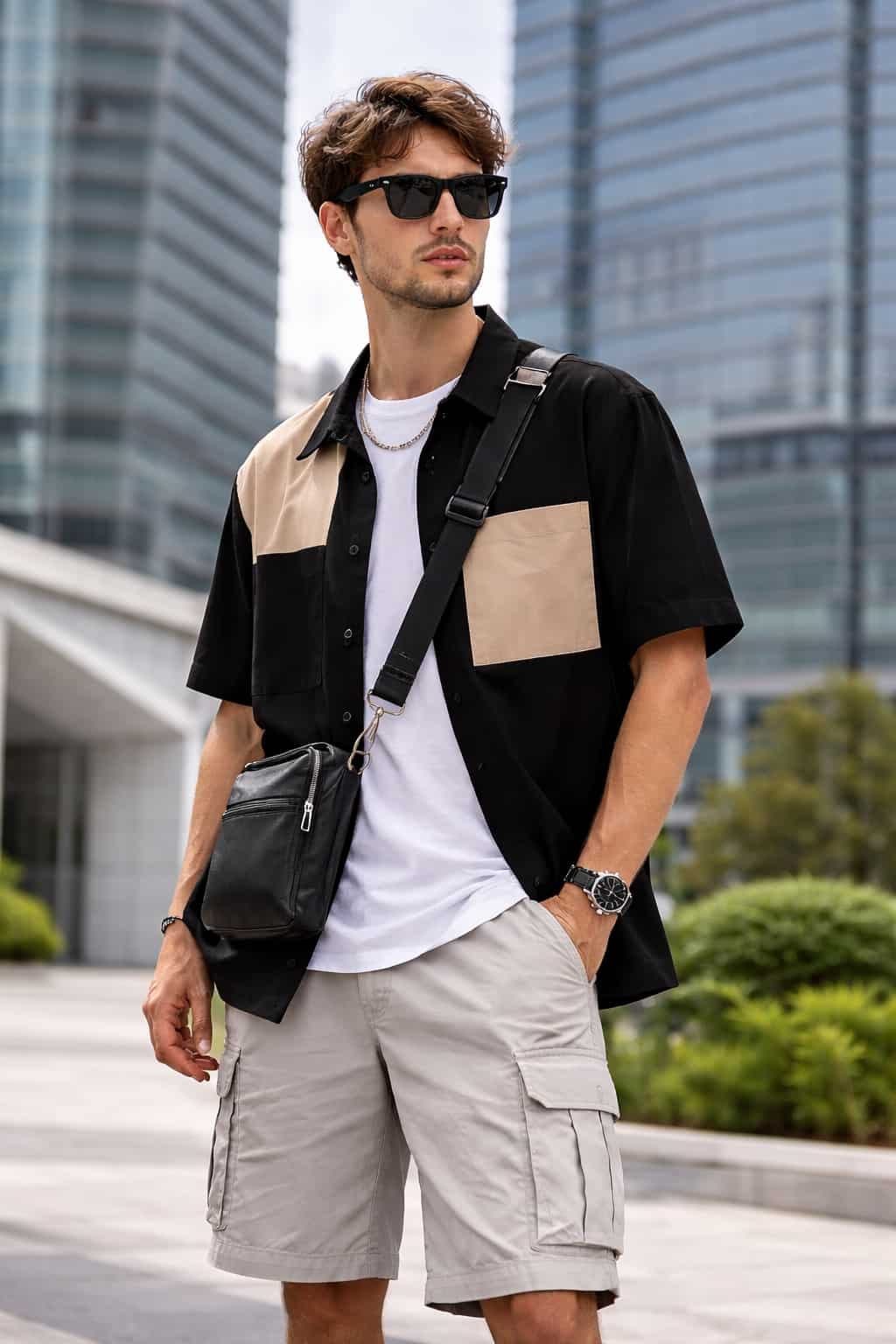
Male looks
- Oversized shirt + French Guiana + Tennis shoes + cap
- Shirt + Footwear with uppers of rubber or plastics + clock + the backpack
- Fresh or chilled + Basic trousers + Tennis shoes + wrapping
It even helps in photos: you show the item “in real life”, not just standing still.
Closing: you can really win — As long as you play with strategy
Free Trial is not a miracle, but it’s A system that rewards consistency and whim. If you complete your profile, make helpful reviews with photos and measurements, choose products wisely, and meet deadlines, your chances go up considerably. And in time, you can win it all: Women’s or girls’ trousers, bib and brace overalls, breeches and shorts.