
Adverts
What really helps with skin and joints?
This article offers practical tips on natural teas for skin. You will learn about infusions for healthy skin. We will talk about... benefits of tea for the skin based on research.
The tradition of drinking tea dates back thousands of years to China. It gained popularity in Asia and then in the West. Today, there are brands like Twinings that innovate with blends for well-being.
Let's talk about teas like rooibos, green tea with ginger, and more. You'll learn about their properties and how to use them. We'll give tips on safe dosages and precautions.

Foods with collagen
If you're looking for natural skincare products in Brazil, this text is for you. We'll provide examples and mention cosmetics that use these ingredients.
Discover how antioxidant teas can help your skin. They improve firmness, hydrate, and reduce inflammation. Here, we offer safe advice on using teas to benefit your skin.
Why teas help with skin health
Teas are great friends of our skin. They offer delicious flavors and beneficial compounds. Companies like Twinings, Chás Real, and Vichy demonstrate that these beverages complement skincare.
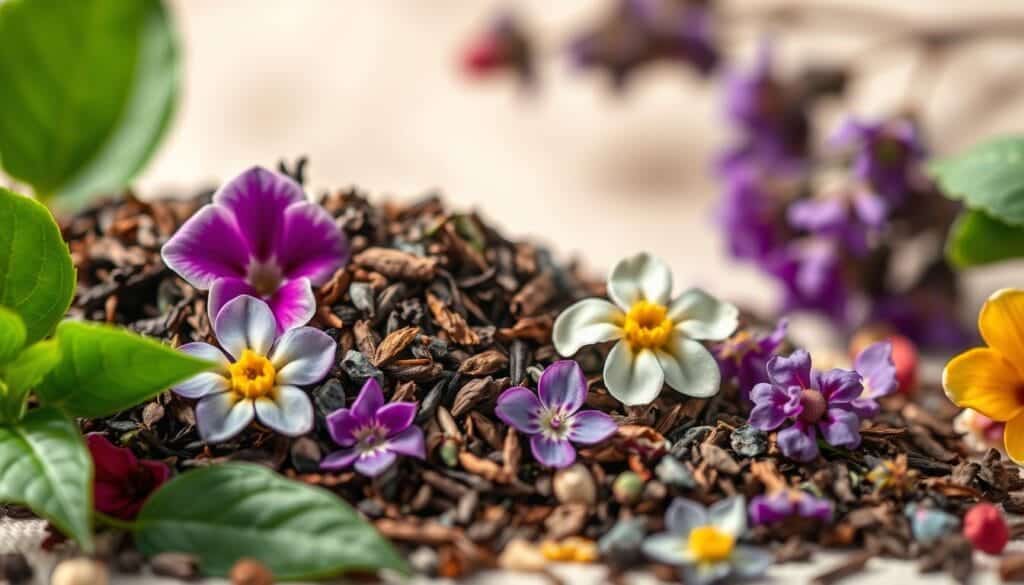
Antioxidants and combating oxidative stress
White and green teas contain many polyphenols. These are powerful antioxidants that fight free radicals. They protect us from premature aging.
Anti-inflammatory action and reduction of redness.
Teas contain anti-inflammatory ingredients. For example, the caffeine in black tea and ginger reduce inflammation, thus reducing signs of fatigue.
Chamomile soothes the skin and reduces redness. Using it as an infusion or compress helps the skin without the need for creams.
Internal hydration and improved microcirculation
Drinking tea helps keep skin hydrated. This leaves the skin beautiful and healthy. Rooibos tea is great because it has minerals and acids that renew the skin.
Ginger activates blood circulation. With more blood, the skin receives more oxygen and nutrients. This improves healing and leaves the face radiant.
Natural teas to improve skin
Changing small daily habits can improve your skin. Drinking tea regularly helps keep skin more hydrated. This is because teas provide antioxidants and essential nutrients, keeping skin firm.
How regular consumption influences collagen and elasticity.
Some teas help with collagen and skin elasticity. For example, white tea protects against damage. This is due to the polyphenols it contains. Hibiscus, being rich in vitamin C, helps in collagen formation and skin repair.
Drinking antioxidant teas strengthens skin health. Studies show that tea and collagen together leave the skin firmer and less saggy.
Recommended amounts and frequency for visible results.
To see improvements in your skin, consistency is key. Generally, it's suggested to drink 1 to 3 cups of tea per day. It all depends on the type of tea and how your body reacts.
Small improvements can appear quickly when you drink tea and also take care of your hydration. Maintaining this routine can reduce blemishes and improve skin firmness over the months.
- Drink 1 cup upon waking to stimulate microcirculation;
- 1 cup in the afternoon for antioxidant support;
- Optional: 1 light cup at night, caffeine-free.
Drug interactions and care for pregnant women
You need to be careful with certain herbs. Teas like black and green tea contain caffeine. They can affect how some medications work.
Teas with ginger, if drunk in excess, can interfere with blood-thinning medications. Too much hibiscus can affect blood pressure. Therefore, always check with your doctor before drinking teas while taking other medications.
Pregnant women and those who are breastfeeding should avoid teas containing caffeine. They should also inquire about herbal teas such as ginger tea. However, under medical guidance, they can drink rooibos and chamomile tea.
For best results, try different teas throughout the day. In addition, consume foods rich in vitamins C, E, and zinc. A healthy sleep routine and proper skincare will further enhance the benefits.
Rooibos: properties, benefits and how to use it
Rooibos comes from South Africa and is good for the skin. It has antioxidants and valuable minerals like zinc. This helps fight blemishes and reduce inflammation.
Rooibos as a source of zinc and antioxidants
This tea is rich in polyphenols and flavonoids, which fight free radicals. The zinc in rooibos helps in the creation of collagen. This improves how the skin looks and feels.
It also contains alpha-hydroxy acids. They help the skin to renew itself and show fewer signs of fatigue.
Simple recipe: cinnamon infusion for hydration and satiety.
To make it, place a tablespoon of rooibos in 250–300 ml of hot water. Add cinnamon and let it steep for 5 to 7 minutes.
Drinking one or two cups a day helps keep you hydrated and reduces hunger. The rooibos and cinnamon mixture can be drunk hot or cold. To sweeten it, add a little honey.
Tips for consumption and topical application
Rooibos is caffeine-free, so it's safe for pregnant women and good to drink at night. Drinking it in different ways enhances the experience.
- As a toner: use the cold infusion with cotton pads to cleanse and soften the skin.
- Mask: Mix concentrated infusion, clay, and honey for a revitalizing mask.
- Cold compress: Apply cold compresses to dark circles or puffy areas for relief.
Before using rooibos on your skin, do a patch test to avoid allergies. Using rooibos in this way benefits the skin without the problem of caffeine.
Green tea with ginger: detoxification and sun protection.
Drinking green tea with ginger is great for the skin. This combination has antioxidants, improves circulation, and protects against the sun.
Flavonoids, catechins, and protection against sun damage.
The catechins in green tea reduce the effects of UV rays. This action helps prevent blemishes and inflammation.
Drinking it regularly can make cells stronger against damage. Flavonoids help in the recovery of sun-damaged skin.
Benefits of ginger for circulation and healing.
Ginger improves blood circulation, giving the skin a healthier and brighter appearance. It also helps it heal faster. This reinforces the sun protection provided by catechins.
It also has an anti-inflammatory effect, which soothes redness and swelling. It's great for sensitive or acne-prone skin.
How to prepare to enhance antioxidant effects
- Use 1 teaspoon of loose leaves and 1–2 slices of fresh ginger.
- Heat 250 ml of water to about 80°C and steep for 2–3 minutes.
- Adding lemon increases the absorption of antioxidants and vitamin C.
Doing it this way keeps the catechins active. Drink 1–2 cups a day. But no more than 3, because of the caffeine.
For convenience, there are good quality ready-made teas, such as Twinings. But loose leaf teas offer more benefits and are good for the skin.
White tea: the purest for slowing down aging.
White tea comes from young leaves and buds that are minimally processed. They contain many polyphenols and catechins. These help the skin fight free radicals.
The antioxidants in white tea protect collagen in the skin. Drinking it regularly can reduce signs of aging. Additionally, it improves skin elasticity. Brands like Vichy combine topical ingredients with antioxidants effectively.
Best preparation practices for preserving active compounds.
To prepare white tea, temperature and time are important. Use water between 75–85°C. Infusions should be quick, 2 to 4 minutes. This preserves the polyphenols.
Very hot water can destroy catechins. This reduces the antioxidant power of the tea.
- Choose quality leafy greens, preferably organic.
- Adjust the cooking time according to your taste, but stay within the recommended range.
- Don't let the tea steep too long, or it will become bitter.
Ideal combinations and times for consumption
Adding a little lemon or orange to white tea enhances it. They contain vitamin C and help preserve collagen. Drink it in the morning to get antioxidants without affecting your sleep. A cup in the afternoon is fine, as long as you don't overdo it on caffeine.
- Morning: antioxidant energy and helps with skin care.
- Mid-afternoon: refreshing and provides polyphenols.
- Don't drink too much at night so as not to disrupt your sleep.
Including white tea in your routine, along with skincare products containing vitamin C, enhances its anti-aging effect. Varying the preparation method and consumption times helps maintain the active compounds.
Chamomile tea: calming, anti-inflammatory, and topical use.
Chamomile is highly valued for its calming and anti-inflammatory qualities. Its tea and infusions soothe irritations, reduce redness, and improve the appearance of the skin. Brands like Twinings offer blends that preserve these benefits, making the tea even more enjoyable to drink.
Cold compresses and compresses for dark circles and puffiness.
Compresses made with tea bags or chilled infusion combat puffiness and dark circles under the eyes. You should prepare an infusion, let it cool, and then apply it to the eyes for 10–15 minutes. For a more refreshing effect, let it chill slightly before use.
Take before bed for nighttime skin recovery.
Drink a cup of Chamomile before bed. It improves sleep and skin health at night. A good night's rest and hydration leaves skin radiant and healthy in the morning.
Precautions for sensitive skin and potential allergies.
Those with sensitive skin or allergies to plants in the Asteraceae family should be careful with chamomile. It is recommended to do a patch test on a small area of skin before topical use. Pregnant women and people taking medication should talk to a doctor before using chamomile regularly.
- Topical use: avoid prolonged compresses if burning or irritation occurs.
- Chamomile compress for dark circlesApply for a maximum of 15 minutes and repeat on alternate days.
- Chamomile before bedOpt for simple infusions or mild blends, without excessive sweeteners.
Black tea and other caffeinated teas: benefits and precautions
Caffeinated teas are popular for their taste and the energy they provide. Black tea, being highly oxidized, has a strong flavor and is beneficial for the skin when consumed correctly. Brands like Vichy even use extracts of this tea in beauty products because it's good for combating oiliness and inflammation.
Caffeine on the skin
Caffeine fights inflammation and reduces signs of fatigue, such as dark circles under the eyes. Studies show that caffeinated creams can quickly improve appearance. On the other hand, when drinking caffeinated teas, it's good to be mindful of the effects on the entire body.
Strategic morning use
Drinking tea in the morning provides energy and helps you look less tired, as long as you don't forget to drink water. Simply alternate a cup of tea with a glass of water throughout the day. This way, the tea helps without interfering with the hydration your body needs.
Limits and safety
Controlling caffeine intake is essential. Limiting yourself to no more than 3 cups of caffeinated tea per day is a good rule of thumb. Drinking too much can lead to dehydration and make your skin more sensitive.
- Drinking too much tea can disrupt sleep, worsen dark circles and puffiness around the eyes.
- Those with sensitive skin should reduce their tea intake and try caffeine-free options, such as rooibos.
- Talking to your doctor is important for those who regularly take medication, as black tea can interfere with its use.
Notable side effects
Drinking too much coffee or tea can cause insomnia, nervousness, and a racing heart. These problems can also make the skin look more tired. So, it's good to pay attention to anything that contains caffeine.
Practical tips
- Alternate between drinking black tea and drinking water to stay well hydrated.
- Try caffeine-free teas or rooibos for a change without the effects of caffeine.
- If your skin reacts badly, reduce your tea intake and seek help from a dermatologist.
Other beneficial teas: hibiscus, rosehip, and functional blends.
Teas and infusions help in skincare routines. Hibiscus is rich in vitamin C, which increases collagen and improves firmness. Rosehip helps in skin recovery and reduces blemishes. Using these components together, both on the skin and in drinks, enhances the effects.
For face masks, use concentrated mixtures. An easy recipe includes herbal tea, clay, honey, and vegetable oil. Always do a sensitivity test before using on your face.
- Hibiscus: Rich in vitamin C, it helps keep skin young and healthy. It can be used topically or orally, and helps even out skin tone.
- Rosehip: The oil from this plant is excellent for repairing the skin. Used at night, it helps with skin recovery.
- Homemade face masks with tea: Make a strong tea and mix it with clay, honey, and vegetable oil. Leave it on your face for 10 to 15 minutes, then wash it off thoroughly.
For a complete treatment, drink hibiscus tea and use rosehip oil on your skin. This combination provides vitamin C and regenerative benefits directly to areas with blemishes and scars.
- Make a concentrated infusion of hibiscus or rosehip.
- Mix with clay, honey and jojoba or rosehip oil.
- Leave on your face for 10 to 15 minutes, then rinse thoroughly. Be careful of sun exposure after use.
Keep an eye out for allergies or reactions to medications. For example, hibiscus can affect blood pressure. If in doubt, talk to a dermatologist or doctor before using tea masks.
Conclusion
Many teas offer incredible benefits for the skin. Among them are rooibos, green tea with ginger, white tea, chamomile, black tea, hibiscus, and rosehip. They help through antioxidants, anti-inflammatory effects, improved circulation, and the supply of vitamins and minerals.
To see effects on your skin, drink 1 to 3 cups of various teas per day. Also take care of your skin externally: moisturize, use sunscreen, and antioxidant products. Try recipes like rooibos with cinnamon or green tea with ginger. For puffiness and dark circles, chamomile compresses are great.
It's important to limit caffeine and consult a doctor if you are pregnant or taking medication. Before applying anything new to your skin, do a patch test. Opt for trusted brands, such as Twinings and Chás Real. A complete skincare routine, including ingestion and topical use of these teas, promises the best benefits.
FAQ
Why do natural teas help with skin health?
Teas contain antioxidants that combat skin damage. They neutralize free radicals and reduce oxidative stress. Their anti-inflammatory action reduces redness and irritation.
Drinking tea regularly hydrates and improves circulation. This aids in healing, gives a healthy glow, and leaves the skin looking better.
Which teas are rich in antioxidants and protect collagen?
White and green teas have many antioxidants that protect the skin. Hibiscus offers vitamin C, which is good for collagen. Rooibos has antioxidants and minerals that renew the skin.
How does green tea with ginger benefit the skin?
They protect against sun damage and contain antioxidants. The mixture also improves circulation and accelerates healing. It must be prepared correctly to preserve the active compounds.
How many cups a day should I drink to see results?
Drinking 1–3 cups of various teas per day is recommended. For caffeinated teas, limit yourself to 1–2 cups. Results such as improved texture and shine appear over time; other effects may take longer.
Is Rooibos safe for pregnant women, and is there a way to use it topically?
Rooibos is safe for pregnant women, but consult your doctor. It can be drunk hot or cold. For topical use, apply as a toner or mask. Perform a sensitivity test first.
What's a practical rooibos and cinnamon recipe for good skin health and a feeling of fullness?
Make an infusion of rooibos and cinnamon in 250–300 ml of boiling water. Drink 1–2 cups a day. It helps with hydration and provides a feeling of fullness. Sweeten with honey, if desired.
Does white tea require special care in its preparation? Why?
Yes, because white tea contains heat-sensitive polyphenols. Use lukewarm water and a short steeping time. This preserves the benefits for the skin.
Can chamomile be used for dark circles under the eyes and sensitive skin?
Chamomile compresses reduce puffiness and dark circles. Drinking it before bed improves sleep. People with allergies or who are pregnant should use it with caution.
Black tea helps with appearance, but are there risks due to the caffeine?
Black tea improves appearance, but its consumption should be moderate. Drink it in the morning to avoid sleep problems. Too much can cause dehydration and worsen dark circles.
Can hibiscus and rosehip be used together in homemade masks?
Mix hibiscus and rosehip into a mask for skin benefits. Add clay and honey for an effective homemade mask. Test before use and protect yourself from the sun afterward.
Are there any important drug interactions to consider?
Teas containing caffeine can interact with some medications. Ginger and hibiscus also require caution. Consult your doctor before combining teas with medications.
How soon can I expect to see changes in my skin?
Changes in the skin can be noticed within weeks with consistent care. Results such as improved firmness and fewer blemishes take longer.
What brands and products are cited as examples in the sources?
Brands like Twinings and Vichy are examples. Quality loose-leaf teas are better. They have more active compounds.
What final precautions should I take when incorporating teas into my skincare routine?
Vary your teas and be mindful of caffeine. Experiment with topical options. Consult a doctor if necessary. Combine with sun protection and a vitamin-rich diet.
Content created with Artificial Intelligence Assistance