
Announcements
Thousands of people suffer from headache, one headache This is a serious problem which affects daily life. Tea with anti-inflammatory properties They offer an alternative to conventional remedies. Let us show you how these herbal teas can help relieve pain. These drinks have been prepared for centuries and are known to improve health.
What is a migraine?
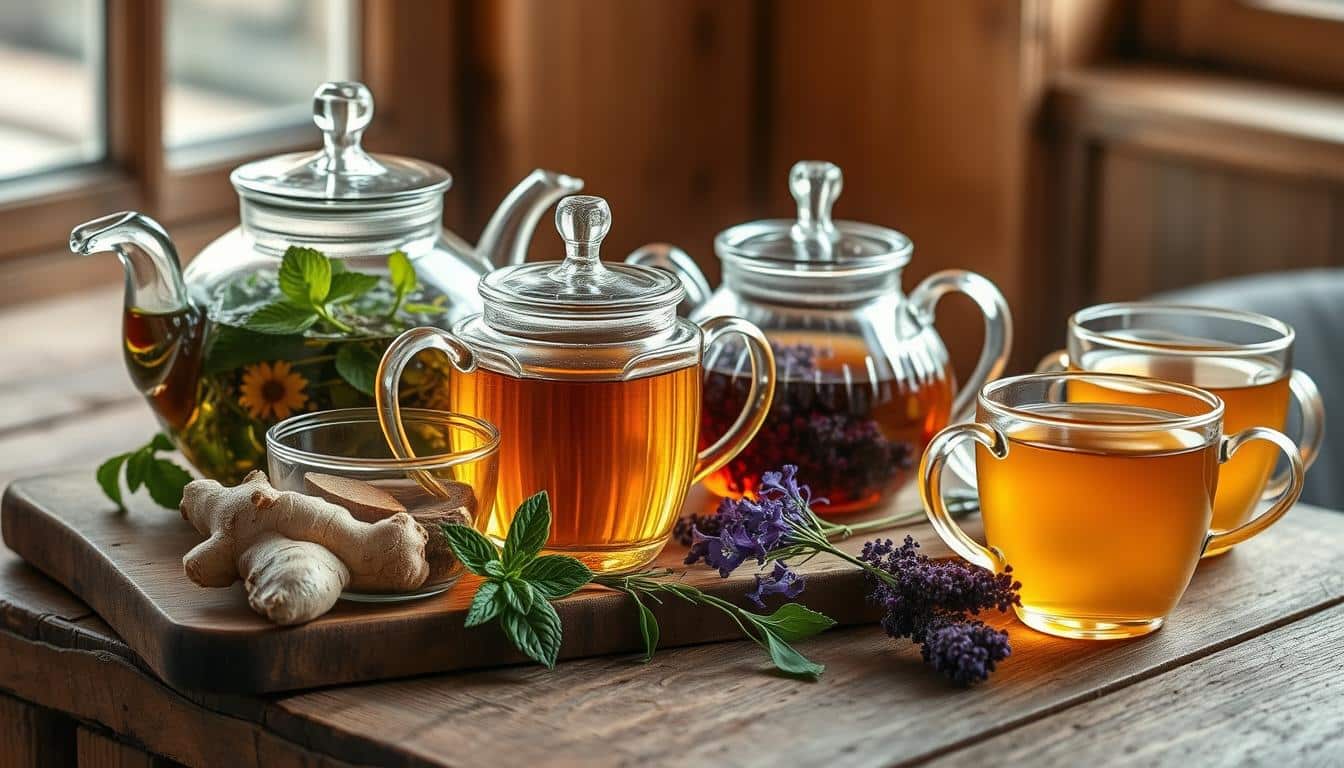
Natural teas for migraine
THE definition of migraine It’s about a headache It’s very strong. It can happen on one side of the head. In addition to pain, people may experience nausea, vomiting and cannot tolerate light or sound.
Announcements

The causes of migraine are diverse. It often comes from stress, poor eating and irregular sleeping patterns. Women suffer more from this, especially in hormonal changes such as before menstruation.
How do teas help with migraines?
Tea have properties of teas which help against headache. They may have anti-inflammatory, analgesic and sedative effects. That delivers a natural pain relief for a lot of people. And chamomile, Fresh or chilled and lavender are known to relax muscles and soothe.
Prepare and take one tea for headache It’s a tranquilizer in itself. This habit can decrease pain and reduce seizures headache. It calms the body and mind.
Natural anti-inflammatory teas for headaches
There are many Anti-inflammatory teas that help those who suffer from migraines. Among them, teas from Cinnamon and cinnamon-tree flowers, Fresh or chilled and chamomile stand out. They are known for their soothing and anti-inflammatory properties, relieving headache.
THE Cinnamon and cinnamon-tree flowers It’s famous for reducing inflammation and fighting pain at the root. THE Fresh or chilled, in turn, relaxes and decreases pressure on the head. Chamomile, on the other hand, soothes and relieves stress by fighting migraines.
When choosing a tea, it’s important to look at the properties of each. This helps to find the best option for each case. Experimenting with different teas is the key to finding one that’s most soothing.
Cooking teas: How to prepare your infusions
Making tea is a transformative art. Turns herbs into potions that bring well-being. Choosing the right ingredients is essential. Use fresh leaves, flowers or roots with known properties. When boiling the water, pay attention.
When the water boils, add the herbs. The infusion time ranges from 5 to 15 minutes. That depends on the flavor you want and what compounds to extract. This step is vital to release the therapeutic properties.
As you wait, watch cooking tips that enhance your experience.
- Use filtered water to ensure a pure taste.
- Try combinations of different herbs to create a unique tea.
- Use a pot or kettle appropriate to your type of infusion.
After infusing, strain the tea and enjoy a hot drink. Preparing tea properly brings joy. And it also offers health benefits, like relief from migraines.
Tannat tea: Benefits and preparation
The tea of Cinnamon and cinnamon-tree flowers comes from the plant Tanacetum parthenium. It has several health-promoting properties. For example, it helps fight inflammation and pain and is great for migraine sufferers.
Drinking this tea regularly can reduce headache and inflammation. That’s what the studies show.
To make the tea, use 15 g of tanacet leaves in 500 ml of hot water. Allow the mixture to stand for 5 to 10 minutes. This helps to release all the good properties of the plant.
Then it’s just a matter of cooking and your tea will be ready to drink.
It is important to know that pregnant women and people taking anticoagulant medication should not drink this tea. If used correctly, tanacet tea can be very beneficial to health.
Ginger tea: It has anti-inflammatory effects
THE Ginger tea It’s a drink known for its medicinal properties. It’s made with 1 tablespoon of Ginger tea powder and 250 ml of water. This mixture is potent because of ginger’s anti-inflammatory action. Ginger’s compounds alleviate the headache common in migraine attacks. The results will be back in two hours.
This tea is also good for reducing nausea, which occurs in migraine episodes. Thus, ginger makes an excellent choice for those seeking a natural treatment. But it is important that the use of tea be always accompanied by a specialist. This is especially true for pregnant women and people with specific health conditions.
Other beneficial teas for migraine
In addition to tansy and ginger, there are other teas that greatly help against migraines. Teas such as chamomile, peppermint and valerian stand out. They have special properties that help relieve pain.
Chamomile tea is great for being relaxing and fighting inflammation. It helps calm the mind and decrease tension, which is great for migraine sufferers. Peppermint, with its freshness, relieves pain and makes the blood circulate better. That’s very helpful in treating migraines.
On the other hand, valerian is perfect for those who want to sleep better. Getting enough sleep is crucial to preventing migraine attacks. Using these teas as a home remedy is a simple and safe option, provided they are used carefully.
The importance of a healthy lifestyle
Having a healthy lifestyle It’s very important to prevent migraines. Staying healthy helps prevent and reduce the factors that cause headaches.
Here are some tips for staying healthy:
- Maintain a balanced diet rich in nutrients and vitamins;
- Regular physical activity, which improves blood circulation;
- Adequate sleep, ensuring restful relaxation;
- Manage stress with relaxation techniques such as meditation and yoga;
- Get enough hydration throughout the day to avoid dehydration.
These habits improve not only the prevention of migraine as well as health in general. Maintaining a balance between body and mind is key. It helps us to have a higher quality of life and fewer attacks of pain.
Other natural forms of migraine relief
Migraine can be alleviated with various alternative forms besides teas. Acupuncture is one of them, and it stands out for its effectiveness. This technique uses needles at specific points on the body. It aims to balance energy and decrease tension by improving pain crises.
The practice of meditation is also recommended. It helps reduce stress, which is a common trigger for migraines. In addition, relaxation methods such as deep breathing and yoga create a calm environment. It helps relieve pain naturally.
Head and neck massages are in great demand because of their calming effect. They help to release accumulated tension. Thus they contribute to a complementary relief of symptoms, bringing well-being.
Consulting a specialist: when to seek medical help
It’s important to know when medical assistance, especially if the migraine attacks intensify. One neurologist can help find the cause of your pain and direct you to the right treatment.
There are some warning symptoms signalling the need to see a specialist:
- Migraine attacks occurring more than twice a week.
- Headaches with changes in pattern or intensity.
- Symptoms with changes in vision, speech or balance.
- Corresponding panel of pain that does not improve with usual treatments.
If you notice any of these symptoms, look for medical assistance It is fundamental. This can lead to an accurate diagnosis and a treatment plan that works. Be aware of your body’ s signals and consult a physician neurologist can greatly improve your quality of life.
Care and contraindications of teas
Teas have many benefits. But it is very important to know when they should not be consumed. Pay attention to the safe use It’s essential to not have any health problems.
Some teas need to be avoided by pregnant women. For example, tansy tea can be harmful because it is too stimulating. Already the Ginger tea, may cause problems if you use anticoagulant medicines, such as increasing the risk of bleeding.
- It is important to speak with a doctor before you start using teas as treatment.
- Attention to the recommended amounts is essential.
- It’s not good to drink laxative teas if you have diarrhea.
Drinking teas carefully helps to reap their benefits while reducing the risks. To know the contraindications And following recommendations is key to using teas safely, whether it’s for pain relief or treating migraines.
Food and Migraine – What You Need to Know
Having a healthy eating It helps a lot with migraines. Choosing eating habits good can reduce the frequency and severity of seizures. It is important to avoid foods that aggravate pain, such as too much coffee and processed food. This helps the preventing headaches.
Eating plenty of fruits, vegetables and whole grains provides important nutrients and keeps the body hydrated. Here are some valuable tips:
- Include fresh fruits and vegetables in your daily diet.
- Prefer whole grains to refined ones.
- Avoid foods high in sugar and artificial additives.
- Drink water constantly to stay hydrated.
Understanding how each food impacts you is crucial. This helps to adjust the diet, preventing seizures.
Conclusion
Tea with anti-inflammatory properties Natural ones are great for migraines. Ginger and tansy are some that help. They offer relief and contribute to general well-being.
Adding these teas to your life can greatly improve your health. Eating well and consulting doctors also help. All of this increases the effectiveness of these drinks in fighting migraines.
It’s important to remember that each person is different. Listening to your body and choosing natural remedies can greatly improve your life. These choices promote long-term health.
FAQ
What are natural anti-inflammatory teas for migraines?
Natural teas are drinks made with herbs that relieve headaches. They include tansy, ginger and chamomile tea.
What are the main benefits of ginger tea for migraines?
Ginger tea reduces headache and nausea. That’s because it has a strong anti-inflammatory action.
How do you prepare the tansy tea?
Use 15 g of the tanacet leaves in 500 ml of boiling water. Leave to infuse for 5 to 10 minutes.
What are the contraindications for anti-inflammatory teas?
Pregnant women and those who use anticoagulants should avoid tansy and ginger tea.
How can lifestyle affect migraine attacks?
One healthy lifestyle It helps prevent seizures. Include a balanced diet, get plenty of sleep and manage stress.
Are there any other natural ways to relieve migraines besides teas?
Yes, techniques such as acupuncture, meditation and massage help. Relaxation practices are also effective.
When is it necessary to seek medical help for a migraine?
Seek medical attention if the seizures are frequent, severe or change in symptoms.
Can anti-inflammatory teas be used as the only treatment for migraines?
The teas help, but they should support the medical treatment. They’re not the only solution to severe pain.
Is chamomile tea effective for a migraine?
Yes, chamomile tea helps to relax and reduce inflammation. It’s good for headaches and migraines.
Content created with the assistance of artificial intelligence