
Adverts
This guide is for anyone who wants to control high blood pressure through a healthy diet. It shows how diet can help with hypertension. The idea is to make healthy changes in your daily life easier.
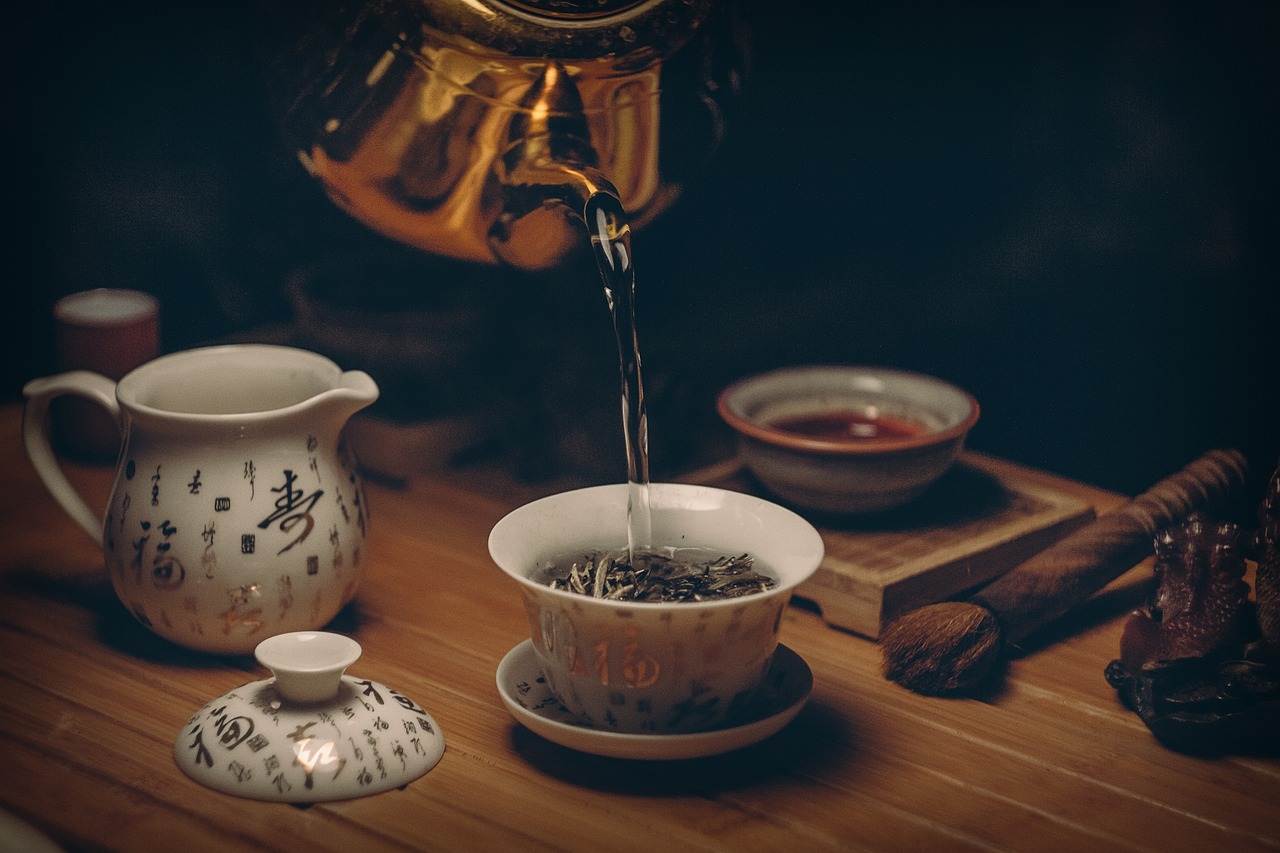
Hibiscus tea
Here, you will learn about foods that are good for lowering blood pressure. Also about daily practices that help control it. Everything is simple to follow, designed for our daily lives in Brazil.
Adverts
It's important to combine good food, exercise, and advice from doctors. Before changing your diet or medication, talk to a specialist. A cardiologist or nutritionist can guide you in the best way.
What is hypertension and why does diet matter?
Hypertension affects many people in Brazil. Knowing what hypertension is is important for recognizing when to seek medical help. Not everyone notices symptoms, so measuring blood pressure frequently is crucial.
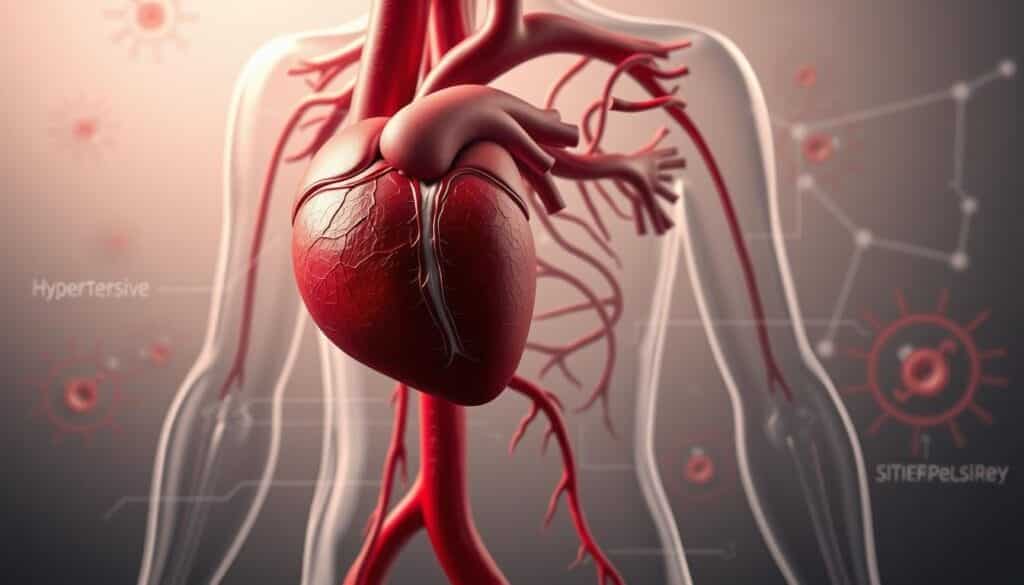
Blood pressure levels indicate whether treatment is necessary. If the pressure is less than 120/80 mmHg, it is normal. Values between 120–129/
Hypertension often shows no symptoms. However, it can cause headaches, dizziness, chest pain, shortness of breath, and blurred vision. It is vital to monitor your blood pressure and see a doctor regularly.
Eating too much salt and ultra-processed foods can raise blood pressure. Salt causes the body to retain fluid, increasing blood pressure. Cutting out foods like processed meats, ready-made soups, and fast food is beneficial.
Processed foods contain unhealthy fats and calories that cause weight gain and harm the heart. Avoiding these foods reduces the risk of heart disease.
Some nutrients help control blood pressure. These include potassium, magnesium, calcium, and fiber. Each plays an important role in vascular health.
- Potassium: helps eliminate sodium and improves kidney function.
- Magnesium: helps to relax blood vessels and muscles.
- Calcium: important for the dilation and contraction of blood vessels.
- Fiber: improves blood circulation and lowers cholesterol.
The DASH diet is a good example to follow. It focuses on natural foods, less salt, and more potassium, magnesium, calcium, and fiber. Following this diet helps control blood pressure and keeps food tasty.
Natural Foods for High Blood Pressure
Some foods help manage blood pressure, especially when they are part of a balanced diet. They have proven benefits for the heart and are easy to incorporate into your daily routine.
List of the most effective foods for reducing blood pressure.
- Bananas, avocados, and potatoes — rich sources of potassium.
- Beetroot and leafy greens (kale, spinach) — nitrates and vitamins.
- Berries (blueberries, strawberries) — antioxidants that protect blood vessels.
- Oats and flaxseed — soluble fiber and compounds that promote blood flow.
- Pumpkin seeds, walnuts, and almonds — magnesium and healthy fats.
- Salmon and sardines — omega-3 with an anti-inflammatory effect.
- Beans and lentils — plant-based protein, fiber, and a low glycemic index.
- Kiwis and leafy greens contribute to electrolyte balance.
Why potassium balances the effects of sodium.
Potassium is essential because it helps the kidneys eliminate excess sodium. Additionally, it relaxes the walls of the arteries. Eating potassium-rich foods regularly helps reduce fluid retention and blood pressure.
Bananas, avocados, and potatoes are great examples. They can be eaten as snacks, mashed, or in salads. These options increase potassium intake naturally, without the need for supplements.
The importance of combining magnesium and fiber.
Magnesium helps dilate blood vessels and regulates the heart. Fiber, such as beta-glucan from oats, lowers LDL cholesterol and improves blood circulation.
Including oats, flaxseed, and beans in your diet enhances their beneficial effects. For example, oats in your breakfast, flaxseed in your yogurt, and beans in your main meals. This combination increases satiety and provides health benefits that help control blood pressure.
Adding these foods to your diet and discussing adjustments with your doctor is important. Diet is fundamental, but it doesn't replace medical care or medication, if necessary.
Fruits and vegetables that support cardiovascular health.
Eating fresh foods like beets, leafy greens, and berries helps the heart. They contain compounds that are good for blood vessels. Therefore, including them in your daily diet makes eating healthier.
Beetroot and dietary nitrates: mechanism and forms of consumption.
Beetroot is full of nitrites and betalains, which turn into nitric oxide in the body. This causes blood vessels to relax and can lower blood pressure.
To consume it, drink natural juice or eat it roasted in salads. Using it as a side dish is also a good idea. Eating beets frequently helps maintain healthy blood vessels.
Green leaves and their role in vasodilation
Kale, spinach, and chard are rich in nitrates and vitamins. They help relax blood vessels and reduce inflammation, keeping blood flowing well.
Eat these leaves raw or steamed to preserve their vitamins. Adding olive oil and lemon helps with nutrient absorption.
Berries and antioxidants: reducing inflammation and providing vascular protection.
Blueberries, strawberries, and raspberries are full of antioxidants. They fight oxidative stress and protect blood vessels.
Eating berries with yogurt, in smoothies, or with oatmeal improves your diet. Doing this regularly helps maintain heart health.
Whole grains, legumes, and fiber for blood pressure control.
Eating whole grains and legumes helps maintain healthy blood vessels. This also contributes to improving blood pressure. Soluble and insoluble fiber reduce blood sugar spikes. They also improve cholesterol levels and help you feel full for longer.
Now, I'm going to show you how certain foods help the heart. And give you tips on how to include them in your routine.
The effect of oat beta-glucan on cholesterol and blood flow.
Oatmeal is rich in beta-glucan, a fiber that helps lower bad cholesterol. With less LDL cholesterol, the risk of plaque formation in the arteries decreases. This improves blood circulation. Including oatmeal in meals, such as in porridge or yogurt, is easy and helps control blood pressure.
Beans, lentils, and grains: low glycemic index and high potassium content.
Beans, lentils, and other grains are rich in fiber, protein, and minerals. Beans are a great source of potassium, and lentils are high in magnesium. This helps blood vessels relax. They also prevent blood sugar spikes, protecting blood pressure.
How to include whole grains in your daily routine (breakfast and meal ideas)
- Breakfast: oatmeal porridge with berries and seeds or natural yogurt with oats and banana.
- Lunch: brown rice with lentil salad, tomato and leafy greens.
- Dinner: bean soup with vegetables or chickpea curry with quinoa.
- Simple swaps: choose whole wheat bread instead of white bread and replace white rice with brown rice in wholemeal recipes.
Planning meals with the benefits of whole grains in mind is easy and delicious. This way, we can adapt common dishes into healthier versions without sacrificing flavor.
Including beans and lentils in your diet provides important minerals and fiber. Making healthy choices, such as opting for oatmeal for breakfast, brings lasting benefits.
Fatty fish, nuts and seeds: good fats and omega-3s
Add healthy fats to your diet to improve heart health. By eating oily fish, nuts, and seeds, you get important nutrients. They help regulate blood pressure and fight inflammation, without needing to make major changes to your diet.
Salmon and sardines They are rich in EPA and DHA, important forms of omega-3. They help relax blood vessels and reduce inflammation. Research indicates that their consumption can improve the health of blood vessels, making them less stiff. It is advisable to eat 2 to 3 servings of these fish per week to balance the nutritional benefits with the risks.
That's why salmon and sardines are often recommended to prevent heart disease. Eating these fish regularly is an easy way to take care of your heart.
Nuts, almonds and seeds They are good sources of magnesium, fiber, and antioxidants. These nutrients help control blood pressure. Walnuts and almonds contain healthy fats that improve blood vessel health. Flaxseed and chia seeds are rich in plant-based omega-3s, in addition to providing fiber and anti-inflammatory substances.
Eating nuts, almonds, flaxseed, and chia seeds regularly is a simple way to take care of your diet. A little of these foods every day adds important nutrients without complicating your diet.
- Serving size of nuts: ~30 g per day (a handful), preferably unsalted.
- Serving size: 1–2 tablespoons of seeds per day, ground for better absorption.
- Fatty fish: 2–3 servings per week, alternating between salmon, sardines, and mackerel.
It's important to control your calorie intake. Nuts are high in energy; adjust portion sizes if you're watching your weight. If you have allergies, take anticoagulants, or have special medical conditions, talk to a doctor or nutritionist before changing your diet.
When preparing food, choose simple cooking methods. Grill or bake the fish without breading. Consume nuts and seeds raw or toasted without salt. These techniques preserve nutrients and help control blood pressure, as they avoid excess sodium.
Herbs, spices and salt substitutes
Changing up your seasoning can be good for your heart. I'll show you how garlic, herbs, and teas can help you eat well without too much salt.
Uses of garlic and its active compounds.
Garlic is good for the heart because it contains allicin. Use raw garlic in salads or sauces to release its benefits.
If you cook garlic, it's still beneficial. It adds flavor to soups and roasts. You can take garlic capsules with a doctor's advice.
Herbs and spices to reduce sodium.
Herbs are a great substitute for salt. They add flavor and nutrients. Try using parsley, cilantro, basil, and chives.
- Cumin, turmeric, and black pepper give it a special flavor.
- Lemon zest or orange juice makes everything tastier and eliminates the need for salt.
- Homemade mixtures with garlic powder and oregano are great for grilling.
Teach them to taste the food before adding salt. This helps them enjoy foods with less salt.
Beneficial teas and infusions
Teas like hibiscus and green tea can help control blood pressure. Drinking 1 to 3 cups a day is good, if your health is otherwise okay.
Pregnant women and those taking medication should speak with their doctor before drinking this tea.
Drink tea between meals. It's delicious and good for the heart, without adding salt.
Complementary eating habits and lifestyle
Adopting small changes in daily life can make a big difference. Maintaining healthy habits and making good food choices helps control blood pressure.
Practical principles of the DASH diet
- Include fruits, vegetables, and whole grains in your meals.
- Opt for low-fat dairy products and protein sources such as fish and chicken.
- Reduce your salt intake and use herbs for seasoning.
How to apply it in everyday life
- Prepare weekly menus with plenty of vegetables.
- Replace refined breads with whole-wheat breads.
- Choose nuts, fruits, and natural yogurt instead of ready-made snacks.
Weight control and physical activity
Losing weight helps ease the workload on blood vessels and improves blood pressure. Even a small reduction is beneficial.
Exercises like running and cycling lower blood pressure. Choose safe activities with the help of a professional.
Practical recommendations
- Aim for 150 minutes of moderate exercise per week.
- Combine walking, cycling, or swimming with light strength training exercises.
- Track your progress and adjust your goals as needed.
Alcohol and sleep
Drinking less alcohol can lower blood pressure spikes. A good night's sleep is essential for heart health.
Avoid ultra-processed foods and unhealthy fats.
Ready-made meals and fried foods worsen cholesterol and cause inflammation. It's best to avoid highly processed foods and opt for more natural ones.
- Cut butter, sausages, and fatty meats.
- Use extra virgin olive oil for cooking.
- Prepare healthy snacks to avoid processed foods.
Drinking plenty of water and eating at the right times are essential. Combining the DASH diet with an active lifestyle and smart food choices greatly benefits heart health.
How to create a weekly meal plan focused on healthy blood pressure.
Planning simple meals makes cooking easier. This helps maintain stable blood pressure. See steps for a balanced menu and tips on how to replace salt with herbs. Also learn when to seek help from a nutritionist.
Practical examples for a weekly menu for hypertension.
- Breakfast: oatmeal with berries and banana or natural yogurt with flaxseed.
- Lunch: grilled salmon, brown rice, and green salad with olive oil and lemon.
- Dinner: lentil soup with mint, roasted beetroot.
- Snacks: unsalted nut mix, kiwi or apple.
How to organize your weekly menu
- Choose three lean proteins such as salmon, skinless chicken, and legumes. Use them on alternate days.
- Add whole grains like brown rice and oats to one meal a day.
- Eat soups and salads for two days to increase your vegetable and fiber intake.
Tips for simple substitutions in the kitchen
- Use garlic, parsley, chives, basil, or lemon instead of salt.
- Choose brown rice instead of white rice and opt for low-fat dairy products.
- Steaming, baking, or grilling is better than frying.
Adaptations for special populations
Pregnant women and people with reduced kidney function or who use anticoagulants should pay attention to their potassium and fluid intake. Adjusting the weekly diet for hypertension is essential in these cases.
When to seek professional help
- If blood pressure doesn't go down even after changing your diet.
- If there are changes in medication or if you experience chest pain and shortness of breath.
- For personalized guidance from a nutritionist.
Conclusion
This summary about diet and blood pressure discusses eating foods like bananas, avocados, and oily fish. These foods contain potassium, magnesium, fiber, and omega-3 fatty acids. These nutrients help lower factors that increase blood pressure. A balanced diet, along with a healthy lifestyle, helps improve circulation, reduce inflammation, and protect the heart.
It's important to eat less salt and highly processed foods. Following the DASH diet and exercising is also good. Controlling your weight and drinking less alcohol are important actions. These practices help us maintain our health for longer.
Now, to take even better care of your heart, it's a good idea to see a doctor and a nutritionist. They can help you create a plan just for you. Don't forget to get regular checkups and never stop taking medication without talking to your doctor. With simple changes and the right dietary choices, you can control your blood pressure and protect your heart.
FAQ
What is hypertension and what are the blood pressure ranges?
Hypertension means that blood pressure is high in the arteries. The ranges are defined as normal.
How do salt and ultra-processed foods influence blood pressure?
Eating too much salt causes the body to retain fluids, increasing blood pressure. Ultra-processed foods are high in sodium and unhealthy fats. They can lead to weight gain and heart problems. Consuming less salt and avoiding these foods helps with heart health.
Which nutrients help lower blood pressure?
Potassium, magnesium, calcium, and fiber contribute to heart health. They help relax veins and lower blood pressure. The DASH diet focuses on these important nutrients.
Which natural foods have evidence of benefiting high blood pressure?
Eating bananas, avocados, beets, and leafy green vegetables helps control blood pressure. Including oats, flaxseed, and fish like salmon is also beneficial. These foods, consumed regularly, are good for the heart.
How does potassium help balance the effects of sodium?
Potassium helps the kidneys eliminate more sodium, which lowers blood pressure. Eating bananas, avocados, and leafy green vegetables is important. It's good to balance potassium and sodium intake.
Why is it important to combine foods rich in magnesium and fiber?
Magnesium and fiber together protect the heart. They help veins relax and lower bad cholesterol. This improves blood flow and heart health.
Why is beetroot recommended for lowering blood pressure?
Beetroot contains nitrates that improve blood circulation and lower blood pressure. It can be consumed in various ways. Regular consumption has an effect on blood pressure.
How do green leafy vegetables help with vasodilation?
Leafy greens like kale contain nutrients that help relax blood vessels, thus lowering blood pressure. Eating leafy greens every day is recommended.
What is the role of berries in vascular health?
Berries like strawberries contain flavonoids that protect blood vessels. Including berries in your diet helps maintain healthy blood pressure and protects the heart.
How do oats and beta-glucan work to control blood pressure?
Oat fiber helps lower bad cholesterol and blood sugar. This improves circulation and helps control blood pressure. It's good to eat oatmeal every day.
Do legumes help with blood pressure?
Yes. Beans, lentils, and other legumes are rich in nutrients that are good for blood pressure. Eating these foods several times a week is good for the heart.
Which fish are recommended and why?
Fatty fish, such as salmon, contain omega-3 fatty acids which help relax blood vessels. Eating these fish 2-3 times a week is recommended.
How can I consume nuts and seeds safely?
Eat a handful of nuts a day and 1-2 tablespoons of seeds. Choose unsalted or unsweetened options and be mindful of calories. People with allergies or who take medication should speak with a doctor.
Can garlic help lower blood pressure?
Garlic helps relax blood vessels and improves blood flow. It can be used in various ways in food. Garlic supplements require medical guidance.
What herbs and spices can replace salt in cooking?
Using herbs and spices like parsley and turmeric helps to reduce salt in food. This is beneficial for heart health.
Do teas like hibiscus and green tea help with blood pressure?
Drinking 1 to 3 cups of hibiscus or green tea helps lower blood pressure. However, it's important to be aware of potential contraindications.
What is the DASH diet and how can you apply it to your daily life?
The DASH diet encourages eating more fruits and vegetables and reducing salt intake. It means choosing healthier foods every day.
How do weight control and physical activity influence blood pressure?
Losing weight and exercising lower blood pressure. It's important to follow professional advice and eat healthily.
What simple substitutions can be made in the kitchen to reduce stress?
Swap refined foods for whole grains and fried foods for grilled ones. Using herbs instead of salt also helps. These changes benefit the heart.
How to create a weekly menu focused on healthy blood pressure?
Plan meals that include fruits, grilled fish, whole grains, and vegetables. Adding healthy snacks is also a good idea. Making small changes makes it easier to stick to the plan.
Are there populations that require special care with these foods?
Pregnant women, people with kidney problems or other conditions need specific advice. They should consult a doctor or nutritionist.
When should I see a doctor or nutritionist?
If your blood pressure is frequently high, you need to change medication, or you have serious symptoms, seek help. Do not stop taking medication without speaking to a professional.
Do these recommendations replace medication?
No. Changes in diet and lifestyle help, but they don't replace medication. Any changes should be discussed with a doctor or nutritionist.
Content created with Artificial Intelligence Assistance